How to Remove and Replace a 1/2 Compression Tee Without Cutting Pipe

For copper pipe work, compression fittings provide a solid way to connect tubing without welding. These connectors are widely used by trade professionals and homeowners because they make installations faster and easier. A typical assembly contains a fitting body, a compression ring or ferrule, and a compression nut. This nut drives the ferrule, forming a leak-resistant seal.

To ensure a successful installation, adhere to a few essential best practices. Start by creating square cuts and deburring the tube end. Next, inspect the end for any damage. After assembly, tighten by hand before using a wrench for final tightening. Use two wrenches so the fitting body is held steady and the pipe does not twist. Avoid overtightening, and never reuse a ferrule that has already been compressed if you want a dependable, leak-free joint.

In many jobs, compression fittings are chosen instead of soldered connections. They eliminate the need for a flame and are reusable in many scenarios. Their quick setup in tight spaces is a valuable advantage. Yet, they are more prominent and may not be suitable for high-stress areas or where inspection is difficult. It is important to use matching components and follow the manufacturer’s torque or turn specifications for reliable performance.

  • Compression fittings join copper tubing without solder or flame.
  • Main parts: fitting body, ferrule olive, and compression nut.
  • Prepare tubing with square cuts and deburring for reliable seals.
  • Use two wrenches, tighten carefully, and avoid overtightening to reduce leaks.
  • Select brass or other compatible materials and follow the manufacturer’s instructions.

How Compression Fittings Work And What They Are

A compression fitting connects tubing without requiring solder, flame, or heat. They rely on a mechanical connection. This connection presses a ring against the pipe to form a seal. They are especially valuable in confined areas and field repairs where a fast, dependable connection is needed.

Compressor Tee

Main Components

The main pieces are the fitting body, the olive, and the compression nut. The body contains the seat and thread. The ferrule, also called an olive, is positioned between the compression nut and the pipe. When the compression nut threads onto the body, it pushes the ferrule into position.

Sealing Principle

The seal is created through radial compression. When the compression nut is tightened, the ferrule is pushed into the tapered bore of the fitting body. That movement causes the ferrule to deform slightly and press against the outside diameter of the tubing.

This creates a line-contact seal that grips the tubing and helps resist leakage. Ferrule design and material directly affect the seal’s performance under pressure and temperature changes.

Common Names And Variations Across Industries

Different trades use varied terms for the same idea. In plumbing supply and HVAC catalogs, terms such as compression joint, compression couplings, and compression nut are common. Instrumentation suppliers may list compression joints and compression fittings plumbing next to flare fittings, push-fit connectors, and other mechanical options.

Term Common Use Key Feature
Tightening nut Domestic plumbing and gas runs Threaded tightening to compress ferrule
Olive Refrigeration, HVAC, and instrument lines Forms the tube-gripping seal
Mechanical compression joint Field repairs and connections No-solder joint often serviceable later
Compression joining couplings Pipe extensions and joins Two-ended compression seal
Compression plumbing fittings General plumbing installations Broad size and material availability

Compression Fittings For Copper Tubing

Material selection is critical to compression-joint performance. It affects performance, long-term durability, and corrosion risk. Copper fittings are usually a compatible match for copper tubing. Their similar thermal expansion characteristics help maintain consistent metal contact.

Brass compression fittings, on the other hand, offer ductility. That ductility helps the fitting form a reliable seal without unnecessarily damaging the tube.

Stainless steel compression fittings are well suited for high-pressure or high-temperature systems. They also withstand many aggressive fluids. Plastic compression fittings may be suitable for low-pressure household water lines. They avoid metal-to-metal contact and can reduce dissimilar-metal problems.

Materials should be matched to the job, pressure rating, temperature, and fluid type. In refrigeration and many plumbing uses, copper or brass parts are often selected. These materials help reduce mixed-metal stress. For applications requiring high mechanical strength, stainless steel is a more suitable choice. However, harder stainless ferrules can deform softer tubing when parts are not sized correctly.

With copper tubing, avoid pairing the line directly with carbon steel or other incompatible metals. Galvanic corrosion can severely accelerate deterioration at the junction. That can shorten the service life of the connection. If mixed metals are unavoidable, use dielectric unions, insulating sleeves, or choose compatible materials to limit electrical contact.

Before assembling, inspect the tubing’s finish and wall rigidity. Good surface quality allows the ferrule to bite evenly and create a lasting seal. Always follow the manufacturer’s guidance for material compatibility. Following that guidance helps reduce leaks and extend joint life in real-world service.

Copper Tubing Compression Tee Sizes And Types

Choosing the right compression tee is essential, influenced by flow needs, space constraints, and tubing sizes. Compression tees are commonly used in plumbing, refrigeration, and instrumentation systems. A proper match between ferrule geometry and body taper is essential for leak prevention.

Branching And Tight-Space Variants

Straight tees ensure full flow through three aligned ports. Branch tees route flow into a side line with less abrupt direction change. Compact tees are designed for wall cavities and tight areas where standard tees may not fit. They come in common sizes like the Compression Tee 1/2 for residential lines.

Common Size Labels And Cross-Fit Options

Installers commonly choose parts by tube OD or nominal size labels. The 1/4 Compression T Fitting and 1/2 Compression T Fitting are widely used. The 1 4 Tee is frequent for small-diameter runs. For larger branches, the 1/2 Inch Compression Fitting and 1/2 OD Compression Fitting are often selected. Cross-fit adapters, like 1/2 X3/8 or 3/8 X 1/2 Compression Fitting, support mixing sizes when needed.

Combination Tees And Adapters

Combination tees like the 1/2 X 1/2 X 3/8 Tee are used for size transitions. A 1/2 X3/8 adapter changes a 1/2 line to a 3/8 branch. The 1 2 To 1 4 Compression Fitting creates a compact step-down for sensors or instrumentation taps.

Choosing Brass Tee And T Joint Fittings

Brass is the preferred material for copper tubing connections due to its corrosion resistance and thermal expansion compatibility. For durable connections, look for T Brass Fitting options. The 1/2 Brass Tee and 1/2 Tee Brass are common choices for main lines and branch runs. Ensure thread pitch and ferrule fit before mixing brands for a proper seal.

Tee Type Usual Application Common Size Labels Material Considerations
Straight Compression Tee Inline branch from main run Compression Tee 1/2, 1 4 Tee Brass works well for copper tubing
Branch Tee Outlet from a main pipe run Commonly labeled 1/2 or 1/4 Compression T Fitting Use matched ferrules and bodies
Low-Clearance Tee Tight spaces and wall cavities Compression Tee 1/2, 1/2 Inch Compression Fitting Shorter body while using ferrule compression
Mixed-Size Tee Branch reductions and instrument taps Mixed-size labels such as 1/2 X3/8 Adapters available: 1 2 To 1 4 Compression Fitting
T Brass Fitting Corrosion-resistant copper systems Common labels include T Brass Fitting Good copper match when pitch and taper are correct

Compression Fittings Vs Soldering And Other Joining Methods

Choosing the right joint depends on the job’s conditions and the fitting’s capabilities. Compression fittings work well in confined areas or near flammable materials because they require no flame. Soldering is often better when a permanent, low-profile, visible installation is desired.

Benefits For Fast Installs And Confined Work

Flame-free fittings are helpful for emergency repairs and retrofits because they avoid torches and may reduce hot-work concerns. They only require basic hand tools, making them a go-to for fast fixes. Reusing these fittings is sometimes practical in systems with low stress, which is beneficial for testing or replacing sections.

Bulk, Profile, And Durability Concerns

Compression fittings add bulk compared to soldered seams. Ferrules can make it awkward to remove fittings, limiting their reusability. In systems with vibration or pulsation, compression joints may loosen over time, so soldered or brazed connections may be better.

Choosing The Right Method By Application

For plumbing repairs in tight spaces, compression fittings are useful when a no-flame connection is needed. For visible runs where appearance is important, soldering is the better choice.

In some gas-line work, compression fittings may be used for short runs. Always verify local code requirements and use approved materials. Inspect joints regularly so safety is maintained.

For HVAC and refrigeration, select copper fittings rated and designed for refrigerants. For heavy thermal cycling, brazed or flare connections may last longer than compression fittings. Compression fittings, like a Compression Tee Fitting or T Compression Fitting, are appropriate for service taps and temporary connections.

For instrumentation, choose fittings that can deliver leak-tight performance in high-pressure or high-purity lines. Stainless-steel compression options are strong, but confirm they meet pressure and media ratings before installation.

Selection Factor Compression Fitting Soldered/Brazed Joint
Tools Required Wrenches, minimal tools Heat source, flux, solder, or filler metal
Speed Fast for repairs More preparation and cooling time
Profile Higher bulk Low profile, neat runs
Reusability Sometimes reusable, but ferrules limit reuse Cut-out repair usually required
Resistance To Vibration Moderate, with loosening possible High; rigid joints
Common uses Quick repairs, service branches, and accessible joints Low-profile permanent installations

Match the fitting type to the system’s needs, observing pressure, temperature, and material compatibility guidelines. Compression Tee Fittings and T Compression Fittings can be useful in plumbing, gas-line work, HVAC fittings, and instrumentation when a serviceable or flame-free connection is needed.

Step-By-Step Installation Best Practices For Reliable Joints

Effective installation starts out with thorough preparation and a well-ordered sequence. Each step is essential to prevent leaks and damage. This section explains how to install compression fittings on copper tubing and when to source compatible parts or tools from Installation Parts Supply.

Preparing copper tubing correctly is essential for a good seal. Use a tubing cutter to cut it squarely, then remove any burrs with a reamer. Check the tube end for nicks, scratches, dents, or deformation. Clean the tube and check the fitting and ferrule for damage before starting the assembly.

Start by sliding the nut onto the pipe with the threads facing the tube end. Then place the ferrule or olive onto the pipe. Insert the pipe fully into the fitting body, ensuring the ferrule seats correctly. Hand-tighten the nut, then use a wrench to align the parts before applying final torque.

Correct tightening is key to a secure seal. Use two wrenches to secure the fitting body while tightening the nut. Follow the manufacturer’s instructions for rotation-based turns, not just torque readings. Do not over-tighten, because too much force can flatten the ferrule and cause leaks.

After disassembly, replacement ferrules are often needed. Once an olive or ferrule has been compressed, it should not be reused. If a ferrule is stuck, use a ferrule puller or carefully cut and remove it to avoid damaging the fitting body.

For plastic tubing, an insert is necessary to maintain shape. Copper tubing generally does not require inserts. After reassembly, open the supply slowly and inspect the joint for leaks. If necessary, tighten incrementally. For compatible parts and detailed specifications, refer to Installation Parts Supply.

Compression Ferrule Design And Performance Factors

The choice of ferrule strongly affects a compression joint’s performance under pressure and over time. Whether opting for a single-piece or two-piece ferrule, each has its advantages and considerations. Ferrule design must match the tubing material, tube size, and fitting body geometry to create a secure, lasting seal.

Ferrule shapes and materials

Brass and stainless steel are the most common materials for ferrules. For chemical resistance, high temperature, or specialty service, graphite or specialty alloy ferrules may be used. A one-piece ferrule is simple to install and can work well with softer copper tube. A two-piece ferrule adds a rear ferrule that helps control rotation and reduce galling, especially in stainless systems.

Asymmetrical and symmetrical ferrule choice

An asymmetrical ferrule is installed in a specific orientation, ensuring consistent performance. It is commonly preferred where reliability requirements are high. A symmetrical ferrule can usually be installed either way, making assembly faster. Yet, it may not perform as well on hard plastic tubing, potentially leading to leaks due to varying tubing OD tolerances.

Seal geometry: line-contact versus surface-contact seals

The design of the ferrule influences whether it uses a line contact or surface contact seal. Line contact seals are better suited to creep and vibration. However, overtightening can turn a line-contact seal into broad surface contact, which may increase leak risk over time.

Tubing considerations and material behavior

Metal tubing must have smooth walls and precise cuts to support proper ferrule seating. Copper tubing, even when stored in coils, can have slight irregularities that affect the seal. Soft plastics and PTFE exhibit cold flow and creep under compression, leading to a loss of seal integrity over time.

Reducing PTFE cold flow and soft tubing problems

To counteract PTFE cold flow, consider using tubing inserts or redundant internal O-rings. Hardened ferrules can also help distribute the load. In high-pressure or high-purity environments, select materials and lubricants that minimize galling and residue. Ensure that the ferrule material matches the tubing and application requirements to maintain a reliable seal throughout its service life.

Troubleshooting Compression Fittings And Avoiding Common Mistakes

When troubleshooting compression fittings, start with the basics: check the nut tightness, tubing alignment, and ferrule condition. Minor leaks often come from under-tightening, poor tube seating, or a mis-seated ferrule. To avoid damaging the tubing, stabilize the fitting body with one wrench while tightening the nut with another.

Problems from overtightening can lead to pipe deformation, crushed ferrules, and persistent leaks. Too much tightening force can flatten the ferrule or damage copper tubing, producing a weak seal. If you notice flattened tubing or a gouged ferrule, it is best to cut back the tubing and replace it with a new ferrule and nut.

Under-tightening results in a gap, allowing slow leaks. For minor weeps, apply small, incremental turns with a wrench until the leak stops. Avoid over-tightening by using incremental tightening for a reliable seal.

Misalignment and twisting interfere with proper ferrule compression. Ensure the tubing enters the fitting straight and fully. A misaligned ferrule can become stuck, making removal difficult. To remove a stuck ferrule, use a ferrule puller or cut it off and replace it, being careful not to damage the tubing.

Identifying and fixing leaks involves inspecting the ferrule seating and part condition. Any damaged ferrule, nut, or fitting body should be replaced. As a temporary correction, incremental tightening may stop a small leak until a proper repair is completed. If leakage continues, re-cut the tube end, replace damaged parts, and reassemble the fitting.

Dealing with corrosion and galling requires both repair and prevention. Corrosion can pit sealing faces and cause repeat leaks. Galling can seize the nut and body, making disassembly difficult. Apply penetrating oil to stuck nuts and allow time for soaking. If threads or faces are damaged, replace the affected components.

Choosing the right materials can prevent corrosion and galling. Avoid pairing carbon steel with copper to prevent galvanic reactions. Choose ferrules and fittings suited to the system’s chemistry, pressure, and temperature. In cleanroom or high-purity environments, volatile cleaning agents can increase galling risk; use ferrules designed to resist galling and compatible lubricants when allowed.

Stuck nut recovery usually starts with penetrating oil and careful patience. If the nut will not move, cutting off and replacing the nut and ferrule may be quicker than forcing it. Use proper tools to avoid damaging the fitting body.

When a compression joint is not the right choice, other joining methods should be considered. Systems with constant vibration, dynamic stress, or low-profile requirements may be better served by soldered, crimped, flared, or welded connections. Compare soldering vs compression for permanence, profile, and code requirements when planning a repair or new installation.

Issue Probable Cause First Action Longer-Term Correction
Small weep Under-tightened nut or mis-seated ferrule Incremental tightening with two wrenches Install new ferrule and nut and re-cut tube end
Ongoing leak despite tightening Overtightening damage to ferrule or tubing Remove damaged section and install new nut and ferrule Follow turn-count guidance and avoid excess force
Seized ferrule or nut Compression seat or galling Use penetrating oil, ferrule puller, or careful cutting Replace affected parts; choose anti-galling materials
Corrosion or pitted seal Wrong material choice or chemical attack Replace corroded parts Select compatible metals; follow code for gas lines
Vibration-related joint failure Dynamic stress exceeds fitting suitability Support lines and reduce movement Choose soldered, welded, crimped, or flared alternatives

Final Thoughts

Copper Tubing Compression Fittings conclusion: compression fittings offer a versatile, flame-free solution for copper tubing in various fields. They perform best when materials are compatible and proper installation methods are followed. Brass, copper, stainless steel, and some plastics can be compatible when galvanic corrosion and thermal mismatch are avoided.

The Installation Parts Supply guide advises replacing ferrules during reassembly and ensuring fittings are tightened to manufacturer specifications. That practice helps maintain reliable sealing.

Compression fittings are useful for quick repairs, tight spaces, and joints that may need future service. They do have limits when compared with soldered joints. Long-term performance relies on ferrule design, tubing quality, and correct assembly sequence.

For high-pressure or high-vibration systems, use ferrules rated for these conditions. Consider alternative joining methods when necessary.

This summary stresses the importance of routine checks and careful installation. Ensure cuts are square and deburred. Use the sliding nut and ferrule correctly, add an insert where required, hand-tighten first, and finish with measured wrench turns.

Follow manufacturer guidelines for torque or turn-based tightening to avoid leaks or damage. For parts and compatible ferrules, consult suppliers. Look for suppliers that carry 1/4 Compression T Fitting, 1/2 Compression T Fitting, and brass tee options suited to the project.

Best HVAC SEO Agency

HVAC contractor SEO is a targeted optimization plan designed to convert nearby searches into new HVAC jobs. Marketing 1on1 stands out as a experienced HVAC SEO agency. It aids HVAC companies and contractors in strengthening search rankings, driving more organic traffic, and securing high-intent leads across the United States.

Our HVAC SEO solutions cover search-term discovery, content optimization, and technical search optimization. We also manage Google local profiles, ensure NAP accuracy, and create engaging content. Local link acquisition, analytics, and conversion rate optimization are part of our strategy. Review monitoring is another key aspect of our HVAC Company SEO Marketing plans. These efforts aim to convert searches for services like air conditioning repair and urgent furnace repair into steady calls.

Working with tools including GA4, Google Search Console, SEMrush, Moz Local, Yext, and WordPress, we measure and optimize our campaigns. Our goal is clear: to produce more qualified calls, improve booking rates, and improve map-pack visibility. We aim to increase local recognition and deliver a clear performance return for HVAC companies and contractors.

Why HVAC SEO Matters For Local Contractors

Nearby search visibility is essential in finding planned HVAC maintenance and repair. When someone searches for “air conditioner repair near me”, they’re close to booking. For HVAC contractors, capturing these searches can turn them into calls and booked jobs. HVAC search marketing targets those with high-intent service requests and quick decision-making.

HVAC SEO Services

How Nearby Search Creates High-Intent HVAC Leads

Queries including “same-day air conditioning repair Chicago” or “heating maintenance Lincoln Park” attract users in need of quick help. Focus on keywords with strong buying intent, not broad terms that attract low-conversion traffic. Analyzing competitors helps choose the strongest service-area terms.

Local HVAC SEO and HVAC contractor SEO emphasize repair categories and service areas. This combination increases visibility for those likely to schedule service.

Maps Visibility And Google Business Profile Impact

Google Business Profile is critical for appearing in the local map results. A complete GBP listing with correct business information, photos, and service areas boosts credibility and interaction. Use genuine team and project photos, list services clearly, and ensure the business name matches the website.

Steady local reviews with neighborhood detail enhance credibility and support HVAC Local SEO. GBP insights, Maps impressions, and calls demonstrate the effectiveness of GBP optimization.

Performance Metrics That Matter To HVAC Businesses

Measure lead actions including phone calls, form fills, and booked appointments. Track local profile interactions, organic traffic, and page-level CTR. Engagement depth and bounce rate indicate site engagement and content relevance.

Technical factors such as mobile page speed, load times, and crawlability are vital for HVAC SEO. Link leads to job value to measure ROI. Tools like Google Analytics provide essential data for HVAC search teams.

SEO For HVAC Contractor

Successful contractor SEO begins with understanding user intent and leveraging local signals. A well-crafted heating and cooling SEO plan connects commercial queries like “HVAC repair near me” to specific service pages. It also aligns informational phrases, such as “furnace replacement cost”, with relevant blog content. Focus on HVAC SEO keywords that incorporate city names, ZIP codes, and seasonal terms to capture urgent inquiries.

Search-term planning should weigh volume, difficulty, and opportunity. Conduct a rival visibility audit to uncover terms they rank for and identify underserved queries. Employ detailed local queries and colloquial place names to enhance local visibility before targeting more competitive keywords.

HVAC service pages need distinct intent and clear focus. Develop one page for each core service—AC repair, installation, maintenance, and furnace repair. Include service-area references for each area served, avoiding content duplication across cities.

City pages should include authentic examples and evidence. Include neighborhood testimonials, city-specific FAQs, and service-area schema to highlight coverage. Link each location page to relevant service pages to boost service-area context.

On Site SEO For HVAC demands precise on-page optimization. Optimize SEO titles, meta descriptions, headers, and URLs with service-focused wording. Ensure language is natural, avoid keyword stuffing, and address homeowners’ main concerns about pricing, timelines, and troubleshooting.

Use structured markup to clarify services and geography. Use local business, Service, and ServiceArea schema. Compress images, add descriptive alt text, and ensure mobile layouts include clear CTAs like click-to-call.

Recurring SEO checks are important to prevent errors. Check for copied passages, broken links, and repeated metadata. Pair these checks with SEO Services For HVAC Contractors that focus on on-page fixes and content enhancements to build authority over time.

Partner with a contractor SEO consultant or consultant that grasps local trade search. A practical SEO For HVAC Company plan should balance immediate gains with long-term content and technical enhancements for steady local growth.

Technical And Mobile Optimization For HVAC Contractor Websites

Site-performance upgrades are vital in converting leads into booked jobs. Homeowners seek quick load times, clear contact methods, and precise local listings. A strategic approach to technical search optimization for HVAC focuses on speed, structured data, and analytics to ensure steady visibility and bookings.

Site Speed And Mobile-First Design

Enhancing page speed boosts engagement and search rankings. Optimized visuals, browser caching, and Content Delivery Networks (CDNs) are essential to meet the two-second goal. Reducing JavaScript, choosing reliable hosting, and applying Accelerated Mobile Pages (AMP) also contribute to faster load times.

A mobile-first design is essential. Incorporate large CTA buttons, click-to-call, and prominent contact details to ease user experience. Clear page paths and clear forms enhance conversion rates for local SEO services for HVAC companies.

Local Schema And Crawlable Service Areas

Use local business schema with address, phone, hours, and geo-coordinates. Add Service and Offer schema on service pages to clarify offerings to search engines. This reduces ambiguity and boosts local visibility for local SEO for HVAC companies.

Ensure service areas are crawlable and linked from a sitemap. Avoid hiding service lists behind JavaScript that search engines cannot index. Maintain consistent Name, Address, Phone Number NAP across the footer, contact page, Google Business Profile, and directory listings to support an HVAC Local SEO Service.

Analytics, Tracking, And Conversion Optimization

Install analytics and search tracking to monitor organic performance. Integrate call-tracking with dynamic number insertion to attribute phone leads to SEO efforts. Track early conversion signals like form fills, quote requests, and chat starts to understand the conversion funnel.

Test page variations on headlines, CTAs, and lead forms to increase conversion rates. Regular technical audits are necessary to identify site access issues, sitemap issues, and index coverage problems. Align analytics goals with business KPIs such as monthly phone leads, booked appointments, and revenue per lead to demonstrate SEO value.

Area Important Actions Tools
Website Speed Compress images, enable caching, use CDN, minimize JS Google PageSpeed Insights, GTmetrix, and Lighthouse
Mobile User Experience Responsive layouts, clear buttons, tap-to-call, simple navigation Mobile-Friendly Test, Hotjar, and real-user testing
Schema Markup LocalBusiness markup, Service schema, Offer data, accurate NAP Schema validators and Google Search Console
Service Area Indexing Indexable service areas, sitemap URLs, no JavaScript-only location lists Screaming Frog, Sitebulb
Tracking And Conversion Optimization Google Analytics 4, call tracking, conversion events, split tests GA4, CallRail, and Optimizely
Ongoing Maintenance Run audits, check crawl errors, refresh schema markup Google Search Console, Ahrefs, and SEMrush

Local SEO, Google Business Profile, And Reputation Management

Local visibility is essential for HVAC companies. It relies on consistent directory data, quick responses, and a constant flow of customer feedback. A robust Google Business Profile for HVAC is essential. It works in tandem with service pages and local listings to send clear signals to search engines and homeowners. local SEO services for HVAC contractors integrate these elements to boost calls, directions, and bookings.

Google Business Profile Optimization Checklist

  • Ensure the business name matches the website and other listings. Choose heating and cooling contractor as the primary category and add relevant secondary categories.
  • Populate the full listing: service area or address, phone, website, hours, and a business description with service-area keywords.
  • Add services through the GBP service section rather than overloading descriptions. Make services mirror website service pages and structured data.
  • Post clear images of trucks, techs, and real HVAC work to boost trust and click-throughs.
  • Share seasonal promotions and practical homeowner advice, but prioritize categories and service setup over posting frequency.
  • Check GBP insights for searches, profile views, calls, and direction requests to measure local engagement.

Review Acquisition And Management Strategy

Request reviews at the point of service using SMS, email, and invoice prompts. Include a quick review walkthrough for leaving a Google review. Offer compliant incentives, like a discount on future maintenance, while following platform rules.

Respond to all customer feedback. Thank satisfied customers and address concerns calmly for negative reviews. Encourage reviewers to mention the job performed and the city like AC repair [city] to strengthen geo-relevance. Maintain steady review velocity by spacing requests across weeks, avoiding unnatural spikes.

Local Citations And Directory Consistency

Keep NAP identical across major directories like Angi and Yellow Pages, industry sites, and local data aggregators. Use tools like local listing management platforms to manage updates and avoid conflicting signals that harm local HVAC SEO.

Use the same formatting across directories, including abbreviations and suite numbers. Remove duplicates and correct incorrect entries to prevent confusion in Google’s local algorithms. Add authoritative citations from local business groups and community sponsorships for relevance and backlink value.

Partner with a trusted Local SEO Agency For HVAC or invest in HVAC contractor local search services to maintain these ongoing tasks. The Best SEO For HVAC Contractors blends local listing optimization, review management, and citation hygiene to keep local leads flowing.

Content, Links, And Local HVAC Marketing Tactics That Convert

Converting website traffic into booked jobs starts with strong content. Focus on creating practical pages that address frequent customer questions and align with their needs. An effective SEO marketing plan for HVAC contractors should include detailed pricing guides, troubleshooting articles like “what causes AC noises?”, and seasonal maintenance checklists. These support service pages without diluting their purpose.

Build city-specific questions and project stories that mention specific streets and communities. Incorporate photos of finished projects and location-specific testimonials to enhance credibility. Long-form how-to guides and comparative articles can significantly increase time spent on your site, aiding in conversion goals.

Local Link-Building And Community Authority

Earning backlinks from suppliers, property managers, and local media can enhance domain authority. Participating in a local business event or guest posting on a community blog can earn valuable backlinks. A reputable top HVAC SEO agency will prioritize quality partnerships over quantity link purchases.

Utilize project galleries and case studies to attract neighborhood associations and commercial property sites. Sharing tools like cost estimators can attract organic links and referral traffic. An HVAC SEO Company can then amplify these efforts through targeted outreach.

Social Media And Post-Click Engagement

Post transformation images, short service videos, and technician spotlights on Facebook, Instagram, and LinkedIn. Ensure social profiles are optimized with Local SEO For HVAC Companies keywords and link to city-specific landing pages. This creates a seamless user journey.

Make landing pages load quickly, align with the ad or post message, and have clear calls to action. Track social-driven conversions to measure lead and revenue generation. Use these insights to refine your HVAC Local SEO Service or update your HVAC SEO strategy.

Content Format Main Goal Local Focus
Cost Guides Make service decisions easier Local pricing examples and neighborhood-specific estimates
Troubleshooting Articles Capture high-intent queries Local HVAC problems shaped by weather and housing type
Project Case Studies And Galleries Strengthen proof and attract backlinks Projects tagged by neighborhood and client type
Shareable Tools Earn organic links and referrals Local maintenance planners and HVAC cost calculators
Social Content And Videos Drive discovery and post-click engagement Neighborhood projects and local event updates

Final Thoughts

SEO for HVAC contractors is a practical growth investment that boosts local search visibility and turns it into actual bookings. Focus on making your GBP listing complete and correct, ensuring your NAP is consistent across citations, and creating clear service and location pages with schema. These steps lead to near-term gains and enhance the impact of future content and link efforts.

First handle the core SEO tasks: fix your GBP structure, create unique local content on service pages, optimize mobile speed, and track calls and conversions. Target ready-to-book local phrases and maintain a steady review acquisition plan. Working with a specialist, whether the best HVAC search partner or an Affordable SEO For HVAC, helps avoid common strategy gaps.

SEO improvements usually arrive in steps: local visibility and GBP improvements often appear in 3–6 months. The benefits from link building, content, and technical fixes compound over six to twelve months. Choosing the top HVAC SEO marketing agency or experienced HVAC SEO Companies can accelerate your learning and improve ROI for HVAC Company SEO efforts.

Track SEO success through revenue-focused indicators: inbound calls, booked jobs, and revenue per lead. View search optimization for HVAC companies work as a continuous, data-driven program, not a quick ranking chase. A steady approach combining strong site performance, targeted content, and local authority builds long-term lead flow for contractors.

Related: SEO for Sacramento Law Firms: Agency Strategies for Legal Search Success

Marketing Ideas For Roofing Company

Email is a straightforward way to reach homeowners, yet a survey revealed that about 64% of roofers either don’t use email marketing or use it very lightly. This gap creates a significant advantage for any roofing contractor who commits to email marketing. It becomes a core channel, not just an afterthought.

Specialists including Brand Marketing Lead Kate Robertson often cover the basics. They explain what Roofing Contractor Email Marketing entails, its importance, and how to craft engaging messages. They also provide tips on subject lines and preview text. Tools like Roofr’s email features help small and midsize teams streamline their campaigns.

Many contractors rely on door-to-door outreach, direct mail, lawn signs, radio, and TV. While these methods are still valuable, combining them with targeted email marketing keeps a business in the customer’s mind between storm seasons. Email is a cost-effective, high-frequency touchpoint that supports long-term relationships, not just one-off sales.

Creating a useful email list starts with past customers, website forms, social media, and simple incentives. Professional roofing marketing agencies and digital marketing for roofing contractors stress the importance of time. Prospects give their time, so content must offer clear value—like repair tips, seasonal checks, and exclusive discounts—to position the roofer as a local expert.

Marketing 1on1 helps roofing businesses combine email marketing with local SEO and paid channels for measurable results. When done right, Roofing Contractor Email Marketing connects lead generation, customer retention, and brand trust into a single, cost-effective strategy.

Why Email Marketing Is Important For Roofing Marketing And Roofing Digital Marketing

Email reaches homeowners in their inbox, a space where they spend considerable time. For many roofing contractors, email remains an underused channel. It can bridge the gap between occasional ad clicks and steady repeat business. Roofing Marketing and Roofing Digital Marketing programs that include email build long-term awareness without requiring heavy media budgets.

Roofing Marketing Agency

Industry Adoption Rates And Market Context

Industry research shows that roughly two-thirds of roofers either do not use email marketing or use it minimally. This presents a major opportunity for Roofing Marketing Companies and Roofing Digital Marketing Agency teams to gain market share. Traditional tactics like door-knocking, direct mail, and local radio are effective. Digital tools such as Google Ads and social media capture demand when homeowners search. Email connects these moments by staying top of mind when roofs are not an immediate concern.

Email Benefits For Roofing Businesses And Marketing For Roofing Companies

Email provides touchpoints that nurture leads until a homeowner needs repairs. Campaigns that mix local content, weather alerts, maintenance tips, and project photos strengthen trust and recognition. A Roofing Company Digital Marketing Agency can leverage email to share reviews, promote local events, and reinforce landing pages used in PPC and local SEO efforts.

Connected campaigns improve conversion and lifetime value. Roofing Marketing Companies that coordinate email with CRM data move one-off callers into recurring customers. Marketing For Roofing Companies benefits from lower cost per contact and higher retention when email is part of a broader Roofing Digital Marketing strategy.

How To Build A High-Quality Email List For Roofing Contractor Email Marketing

A strong email list starts with owned contacts and clear value. Start by collecting addresses from past customers and those who interact with your website. Many roofing teams overlook these low-effort opportunities. Prioritize existing relationships before investing in paid acquisition. This approach ensures that your first contacts are familiar with your brand.

List Sources And Lead Magnets

Use customer service records, estimates, and warranty registrations. Export these contacts into segmented groups such as recent customers, leads, and service-only accounts.

Provide useful opt-in incentives like storm prep checklists, seasonal home maintenance guides, roof lifespan calculators, and local contractor resource guides. These value-first offers build trust and encourage sign-ups. They mirror the success seen in other fields where trusted guides drive engagement.

Work with a Roofing Marketing SEO Agency or a Roofing Company Internet Marketing Company to design lead magnets that align with local intent and search behavior.

Online And Offline List Capture Methods

Add homepage opt-in forms, blog CTAs, and footer opt-ins where visitors naturally look. Use exit-intent pop-ups and timed slide-ins that present a quick checklist or discount.

Offline, collect emails at home shows, community events, and after storms. Use QR codes on yard signs, business cards, and flyers to make sign-ups easy. Facebook and Instagram lead ads allow prospects to join without leaving the app.

Connect these signup sources with a Roofing Marketing Solution that syncs web, social, and field leads into one list for follow-up.

Compliance And Deliverability Basics

Comply with CAN-SPAM and relevant state rules. Use confirmed opt-in when practical to reduce fake addresses and spam complaints. Keep unsubscribe links visible and honor requests quickly.

Keep email deliverability strong by removing hard bounces, watching complaint and unsubscribe rates, and warming new IPs and sending domains. Track list growth rate and hygiene metrics to protect sender reputation.

Coordinate with a Roofing Company Local SEO Marketing specialist or Roofing Company Internet Marketing Company to align capture flows with legal and technical best practices. Clean list habits support open rates and long-term ROI.

Contact Source Sample Lead Magnet Quick Tactic
Customer history and service files Warranty reminders and maintenance schedule Segment and send targeted checklists
Site visitors and content readers Seasonal roofing checklist Homepage form and blog CTA
Social followers and ad audiences Local storm prep checklist Social lead ad with built-in signup
Events and canvassing Inspection booking offer or discount voucher Signup QR codes on yard signs and flyers
Local partners and community listings Local homeowner resource guide Partner signup forms and list-building collaborations

Content Strategy For Better Roofing Marketing Agency Email Results

Start by treating your email list as several distinct segments. Segment based on stage in the sales funnel, whether they’re new or returning customers, the type of property, their location, and past interactions. This method ensures your Roofing Marketing Agency sends content that resonates, reducing the likelihood of spam.

Follow an 80/20 approach for email topics. Allocate 80% for educational content like tips, weather alerts, storm preparation guides, and maintenance advice. The remaining 20% should focus on promotional offers, seasonal discounts, or incentives to book services. This balance keeps your audience engaged with your Roofing Marketing and Roofing Content Marketing efforts.

Consistency is key. Opt for either monthly or biweekly email campaigns and organize them with a content calendar. Regular emails build recognition, while irregular schedules can confuse and harm your Digital Marketing For Roofing Company campaigns.

Personalize your messages beyond just using names. Mention past projects, inspection dates, and local projects. Send follow-up emails after inspections and check-ins a year after installation. These personalized touches can noticeably raise response rates for your Roofing Company Marketing Agency clients.

Shape messages around homeowner intent and local area. Offer commercial roof tips to property managers and maintenance guides for homeowners. Content tailored to specific locations can increase open rates and enhance your Roofing Company SEO Marketing efforts, when combined with local testimonials.

Make your subject lines and preview text concise and focused on benefits. Test different formats, such as “Storm coming? Schedule a free inspection” or “One-year roof check — quick 10-minute visit.” Use A/B tests to sharpen your Roofing Content Marketing strategies.

Create clear, actionable CTAs that highlight benefits. Use phrases like “Schedule a free inspection,” “Download storm prep checklist,” or “Request a quote.” Monitor click-through rates and conversions to refine your Roofing Marketing campaigns.

Add credibility markers in every campaign in your campaigns. Add recent project photos, star ratings, and short endorsements from locals. Such trust signals can increase inquiries and help your Roofing Marketing Agency stand out in a crowded market.

Lean on specialized platforms and experienced vendors to scale your efforts. Explore platforms designed for roofing professionals and collaborate with experienced vendors like Marketing 1on1 for template design and subject-line testing. Combining specialized tools with a solid strategy can significantly enhance your Digital Marketing For Roofing Company results.

Automation, Measurement, And Integration With Roofing Digital Marketing Services

Email automation turns isolated sends into continuous conversations, guiding prospects through the sales funnel. It sets up sequences for welcome messages, post-service follow-ups, and storm responses. This ensures homeowners receive timely messages. Automated reminders for annual checks and warranty reviews also grow repeat business without extra manual effort.

Automated campaigns work best when tied to real events. Send messages after inspections, job completions, and quote requests. Use proactive automations after storms to offer free inspections or priority outreach. These timely interactions improve response rates and make paid channels like Roofing Company Ppc Marketing more effective.

Focus on a few key performance indicators and review them frequently. Track open rates, click-through rates, conversion rates, unsubscribe rates, bounce rates, and list growth rates. Use A/B testing for subject lines, send times, creative, and CTAs. This ensures quick fixes for issues like subject-line problems and audience fatigue.

Integrate email with your CRM and job-management systems for lifecycle-driven messaging. Sync platforms like ProLine and other leading roofing CRMs to enable triggered emails tied to job status and lead scoring. This personalizes outreach and improves close rates for Roofing Contractor Marketing Agencies.

Coordinate email with local SEO, Google Ads, and Facebook Marketing For Roofing to create consistent campaigns. Share earned reviews and project galleries across email, paid search, and social media to amplify social proof. Pair direct mail and yard sign campaigns with follow-up emails for better recall and higher response.

Tie campaign metrics together to reveal which touchpoints convert leads. Compare email-driven conversions with results from Roofing Company Ppc Marketing and Facebook Marketing For Roofing. Use these insights to rebalance budgets and refine messaging.

Work with specialists and platforms that understand the roofing niche. Tools like Roofr and agencies with roofing experience help integrate email into broader Roofing Digital Marketing strategies. These partnerships speed up implementation and ensure automations align with real business goals for Digital Marketing For Roofing Companies.

Final Thoughts

Email remains one of the most cost-effective marketing channels for roofing companies, provided it’s used with focus and discipline. With most roofers underutilizing email, those who invest in list-building, clear subject lines, and consistent communication see significant gains. This approach boosts lead generation and customer retention.

A robust email marketing strategy combines segmented, personalized messages with automation and analytics. Utilize lead magnets like storm-prep checklists and maintenance guides. Capture leads across various touchpoints and track key metrics to refine your campaigns through A/B testing.

To enhance your impact, integrate email with local SEO, paid search, and social media. This synergy increases the effectiveness of your Roofing Digital Marketing Services. For those seeking quicker results, collaborating with a specialized Roofing Marketing SEO or an experienced agency can accelerate list growth. It also streamlines CRM integration and automated sequences, driving repeat business and sustained growth.

Related: Online Marketing For Storage Companies

Top Self Storage Providers in Medford OR Compared

Medford, Oregon provides a variety of storage solutions for residents, businesses, RV owners, and boat owners. Among the better-known storage facilities serving the Medford area are RV Storage Near Me / Airway RV & Boat Storage, Lock N Key Storage Medford, and Sage Road Mini Storage. Each location offers secure storage options and convenient access for customers throughout Southern Oregon.

1. RV Storage Near Me / Airway RV & Boat Storage

Address: 576 E Vilas Rd, Central Point, OR 97502

Contact Phone: +1 (541) 772-0157

Company Website: https://airway.locknkeystorage.com/

RV Storage Near Me / Airway RV & Boat Storage is centered on recreational vehicle and boat storage for customers in the Medford and Central Point area. The facility is conveniently located off Vilas Road and is well suited to larger vehicles.

RV Storage Near Me / Airway RV & Boat Storage

Main Features

  • RV and boat storage spaces
  • Covered vehicle parking options
  • Gated facility access
  • Electronic gate keypad access
  • Camera-based security monitoring
  • Lighted property
  • Access designed for year-round convenience
  • On-site dump station for RV owners

The property is intended to help safeguard RVs and boats while offering easy access for owners who need secure vehicle storage in Southern Oregon.

2. Lock N Key Storage Medford Overview

Street Address: 1669 Coker Butte Road, Medford, OR 97504

Phone Number: (541) 772-0157

Website: https://www.locknkeystorage.com/

Lock N Key Storage Medford operates as a full-service self-storage facility serving residential and commercial customers. Situated on Coker Butte Road, the facility offers a variety of storage unit sizes and storage solutions.

Key Features

  • Self-storage units available in several sizes
  • Storage options with climate control
  • Drive-up storage units
  • Easy ground-floor access
  • Code-based gate entry
  • Security fencing around the property
  • Round-the-clock video surveillance
  • Online payment options
  • RV and boat storage availability

The facility is designed for customers who need secure, flexible storage for household goods, business inventory, seasonal items, vehicles, and other personal belongings.

3. Sage Road Mini Storage Overview

Location: 1933 Sage Rd, Medford, OR 97501

Phone Number: +1 (541) 773-5323

Company Website: https://sage.locknkeystorage.com/

Sage Road Mini Storage offers self-storage services for customers looking for a convenient and secure storage location in Medford. The property supports both short-term and long-term storage needs.

Important Features

  • Self-storage options for individuals and businesses
  • Everyday access hours
  • Clean and maintained facility
  • Professional customer service
  • Secure storage environment
  • Several unit options
  • Convenient location in Medford

Sage Road Mini Storage can be a practical solution for individuals and businesses that need additional storage space while keeping convenient access to their belongings.

Comparison Of The Top Storage Facilities In Medford, Oregon

Storage Facility Core Storage Focus Street Address Contact Phone
RV Storage Near Me / Airway RV & Boat Storage RV Storage And Boat Storage 576 E Vilas Rd, Central Point, OR 97502 541-772-0157
Lock N Key Storage Medford Self-Storage, RV Storage, Boat Storage 1669 Coker Butte Rd, Medford, OR 97504 +1 (541) 772-0157
Sage Road Mini Storage Self-storage services 1933 Sage Rd, Medford, OR 97501 +1 (541) 773-5323

Summary

Among the leading storage options in the Medford area are RV Storage Near Me / Airway RV & Boat Storage, Lock N Key Storage Medford, and Sage Road Mini Storage. Airway RV & Boat Storage focuses on recreational vehicle and boat storage, Lock N Key Storage Medford provides a broad range of self-storage and vehicle storage solutions, and Sage Road Mini Storage delivers convenient self-storage services for residential and business customers. Combined, these facilities provide reliable storage options for a wide variety of needs throughout the Medford region.

Related: Storage Units Medford OR: Online Reservations And Contactless Rentals

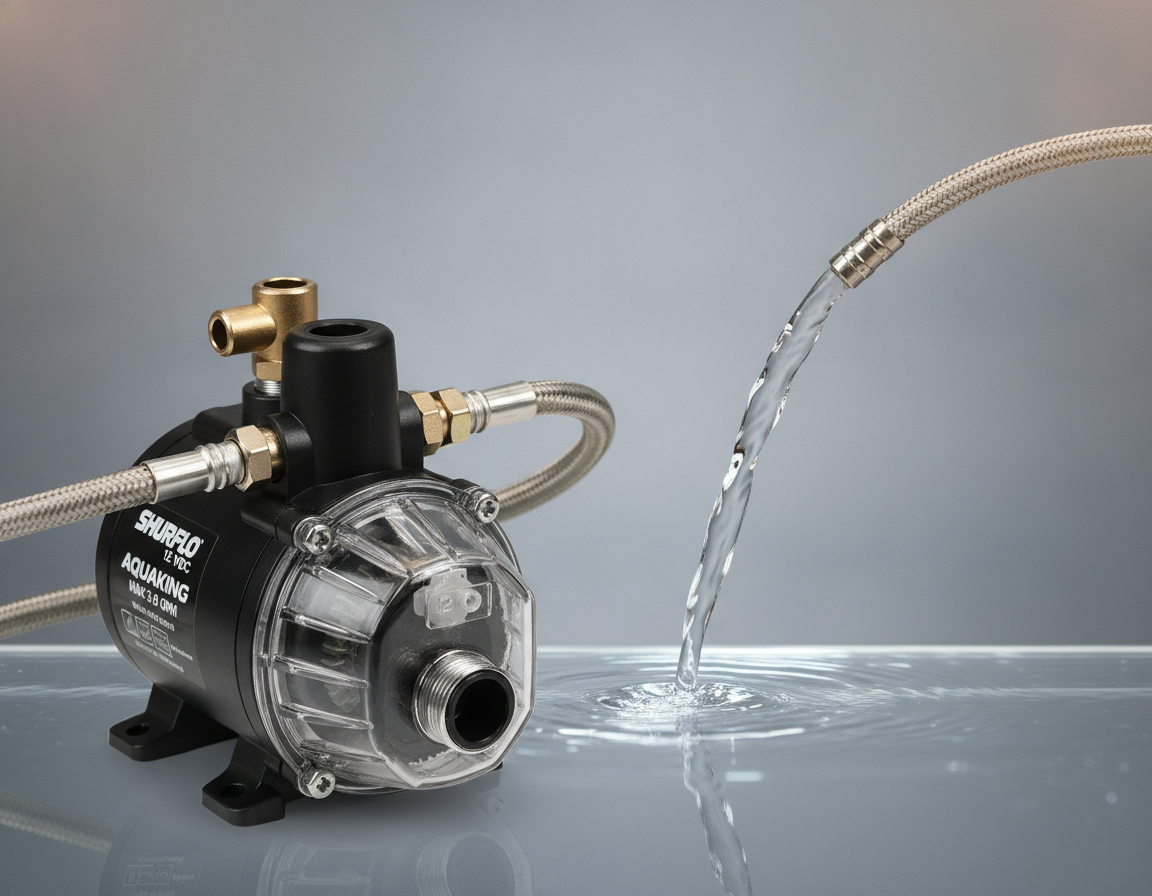
Shurflo 12 Volt Pump Not Building Pressure? Try This

Understanding the importance of a Shurflo 12 Volt Pump is important for RV and marine water systems. Whether you are in a travel trailer, campervan, or powerboat, the right Shurflo RV Pumps are critical. They affect flow, noise, and long-term reliability.


Shurflo offers a selection of models, each designed for specific needs. The Aqua King II 4128 and 4138 models deliver about 2.0–3.0 GPM and use a co-molded diaphragm plus internal bypass to support smoother performance. The 105 is ideal for tight spaces because it is compact and energy-efficient. The Revolution series combines quiet operation with specifications often used in OEM RV setups.

This guide will compare the Shurflo 2088 Pump legacy with newer models. It will also cover installation, operation, maintenance, and selection tips for U.S. RVers and boat owners.

Key Takeaways

Shurflo 12 Volt Pump

Why Select A Shurflo 12 Volt Pump For RV And Marine Systems

Choosing the right pump can noticeably change daily life for people on the move. Shurflo 12 Volt Pumps are engineered for consistent pressure and long service life. Their compact design and low power draw suit 12V systems in trailers and small boats.

Trusted Reliability And Brand Reputation

Shurflo RV Pumps are widely known for consistent service in both RV and marine systems. The Aqua King II series, for example, includes a sealed motor and switch to protect against moisture. An electro-coating further resists corrosion, making these pumps durable in saltwater environments. Together, these details help explain why boaters and RV owners often view Shurflo as a proven pump brand.

Important Benefits For Mobile Water Systems

Many Shurflo models use a one-piece diaphragm and internal bypass for smoother flow and reduced cycling. The Revolution-series pumps are popular because they combine affordable pricing with reliable performance and common OEM compatibility. In tight spaces like campervans, the low-flow Shurflo 105 can be a smart option.

These pumps also include thermal overload protection and dry-run capability for safer intermittent use. Their quiet operation and consistent pressure make them useful for showers, sinks, and kitchens in RVs and boats.

Pump sizing is simpler because Shurflo offers everything from compact low-flow models to larger multi-fixture options. This range lets owners balance performance, energy efficiency, and cost. They can also rely on Shurflo’s long-standing reputation for quality.

Shurflo 12 Volt Pump Options, Specs, And Ideal Uses

When selecting a Shurflo 12 Volt Pump, examine the models and specifications carefully. Small vehicles and boats need compact pumps with modest flow rates. Larger rigs benefit from mid-range pumps or the Shurflo Revolution line. These options provide higher pressure and quieter operation.

The low-flow category includes compact designs that fit tight spaces and deliver steady performance. They are ideal for compact boats where installation space and battery draw are major concerns.

Mid-range models are designed for multi-fixture layouts. They balance flow and pressure for showers, multiple faucets, and simple onboard systems. The Shurflo 2088 Pump remains a older reference point when comparing repair parts, performance expectations, and service history.

Shurflo Revolution models provide a modern design with a one-piece diaphragm, internal bypass, and quieter operation. These units handle higher shutoff pressure and stronger flow rates, making them a common upgrade for RV owners.

The comparison table below reviews common models and pump specs so you can choose the right option for your system.

Model Typical Flow Cutoff PSI Self-Prime Recommended Application
Shurflo 105 About 1.0 GPM Around 30 PSI About 2.5 ft Compact builds and small campervans
Aqua King II 4128 2.0 GPM Adjustable pressure Approx. 6 ft maximum Small-to-medium marine systems
4138 Aqua King II About 3.0 GPM Variable shutoff Approx. 6 ft maximum Larger layouts and multiple fixtures
Revolution 4008 Series Approximately 2.3–3.0 GPM About 55 PSI Self-prime capable OEM replacement and RV upgrades
Legacy Triplex family Depends on model Varies Varies Reference point for older 2088-style service

Performance trade-offs are critical. Higher PSI can produce stronger faucet output, yet backpressure and low voltage may reduce real-world flow. Because output can be affected by roughly ±10% voltage variation, battery health and wiring quality strongly influence actual performance.

Pump capacity should match the number of fixtures and the complexity of the plumbing layout. For instance, the 4138 is often suitable for up to three fixtures in a balanced system. The 4128 is generally better for two fixtures or simpler plumbing layouts. Consider plumbing run length and fittings when reading pump specs.

Long-term ownership is influenced by how easy the pump is to service and how available parts are. Even though many owners now choose Revolution or Aqua King models, the Shurflo 2088 Pump remains a useful reference for repairs, parts matching, and older-system comparisons.

Installation Best Practices And Parts For Quiet Reliable Operation

Start by choosing a pump location with both mounting stability and future service access in mind. Mount it within six feet of the tank to help priming and extend service life. Allow at least one cubic foot of space for ventilation and access. Use a firm mounting surface so vibration, rattling, and operating noise are reduced.

The pump can be installed in any orientation. Position it so strainers and service points remain easy to reach.

Use flexible high-pressure hose on both inlet and outlet to reduce noise and stress. Use a minimum 1/2″ ID (13 mm) hose, and avoid connecting rigid pipe directly to the pump ports. Anchor the flexible hose where it meets hard plumbing and leave about 18 inches of hose where practical to isolate vibration.

Fit a 50-mesh inlet strainer, such as a 50- or 255-series strainer, to protect the pump from debris.

Minimize elbows, restrictive valves, and reduced-diameter runs to prevent cavitation, high backpressure, low flow, and noise. Bypass-style pumps often do not require an accumulator, though one can be added if cycling needs to be reduced. In many setups, quick-connect hose kits provide neat, serviceable connections and help keep the plumbing quieter.

Connect the pump to a dedicated circuit that matches the fuse rating specified for the model. Most 12V Shurflo models require at least a 10 amp circuit. Follow the motor-label fuse value, and for boats use an ignition-protected marine switch rated at 15A or higher. To limit voltage drop on a 12V/10A circuit, follow common wire sizing guidance: 0–25 ft = 16 AWG, 25–50 ft = 14 AWG, 50–70 ft = 12 AWG, and 70–110 ft = 10 AWG. Turn power off when a boat or RV is left unattended.

Keep positive wiring short and routed away from heat or chafe points. For dependable connections, use proper battery terminals, crimped ring terminals, and heat-shrink butt connectors. Install a fuse close to the battery positive terminal and place the switch on the positive circuit to follow marine ignition-protection best practices.

Below is a quick reference of common parts and mounting tips to help plan a smooth Shurflo 12 Volt Pump installation. It highlights useful components and shows how each one supports quieter, more reliable pump operation.

Item Function Suggested Use
50-mesh or 255-series strainer Keeps grit out of pump Install on inlet; choose compatible size for 1/2″ ID hose
Flexible high-pressure hose (1/2″ ID) Reduces noise and stress Keep flexible hose between pump and hard plumbing to reduce vibration
Quick-connect hose kits Creates clean removable junctions Select compatible fittings with the proper inner diameter
Accumulator Smooths pressure and limits cycling Usually optional on bypass pumps, but useful when short cycling appears
OEM repair kits Supports long-term pump service Buy service kits that match the exact pump family
Appropriate fuse and switch Helps protect wiring and components Match fuse to motor label and use a 15A+ ignition-protected boat switch
Sized electrical wiring Prevents voltage drop and heat Use 16–10 AWG according to run length for 12V/10A circuits

For genuine parts, choose suppliers that stock model-specific kits and strainers. Installation Parts Supply offers compatible parts such as 255-series strainers, quick-connect hose kits, and service kits for popular Shurflo models. Source authentic components for lasting performance and safer Shurflo RV Pumps wiring and service.

When changing diaphragms, seals, or valves, always match the parts to the exact pump family. The Shurflo 2088 Pump parts remain common in many older rigs, so confirm part numbers before ordering. Use proper torque on fittings, test for leaks, and listen for cavitation or rapid cycling during the first run to catch problems early.

How To Operate, Maintain, And Troubleshoot A Shurflo Pump

Shurflo pumps are designed for intermittent use. They work well for sinks and similar fixtures, but they are not meant for nonstop operation unless specifically rated for it. Turn off pump power before leaving the RV or boat so the battery is not drained by unnoticed cycling.

For daily use, focus on short runs and proper plumbing. Avoid small tubing and fittings that restrict flow. Good plumbing helps the pump run efficiently and reduces wear.

Daily Operation And Limits

Run the pump only within the duty rating listed for the model. For example, the Shurflo 2088 Pump should not be used continuously unless that specific model is rated for duty-cycle operation. Check voltage at the pump regularly to confirm it stays within 10% of rated voltage.

Pay attention to rapid on-off cycling while fixtures are being used. This may indicate plumbing problems or a low shut-off pressure setting. Correct these issues to prevent early diaphragm or valve failure.

Basic Pump Maintenance Tasks

Regularly clean the inlet strainer so the pump does not sputter, lose prime, or suffer restricted flow. Also inspect hose clamps, mounting feet, and wiring for tightness and corrosion.

Periodically sanitize potable water systems with the bleach method recommended for RV and marine water tanks. Use 2 ounces of bleach per 15 gallons of water, then flush after the required contact time. Follow manufacturer instructions for winterizing and sanitizing before use.

Use OEM service kits for worn parts. Replace diaphragms, check valves, and seats as needed. Service kits can restore original performance and extend pump life.

Basic Troubleshooting Checks

If the pump will not start or a fuse blows, check electrical connections and the main switch. Check the thermal breaker and measure voltage at the pump under running load.

If the pump will not prime, sputters, or pulls air, inspect the inlet strainer and tank water level first. Also check for trapped air in the water heater, vacuum leaks, kinked hoses, clogged fittings, and debris in valves.

For a pump that will not shut off, check for output-side leaks and trapped air. The same symptom may come from a faulty pressure switch or a bypass setting that is too high. Rough or noisy operation can suggest restricted flow, vibration transfer, loose plumbing, or cavitation.

  • Keep power off when unattended to reduce cycling and battery drain.
  • Maintain a clean strainer and use recommended hoses to avoid restriction.
  • Replace worn parts with OEM kits for reliable Shurflo 2088 Pump service and similar models.
  • For Shurflo RV Pumps troubleshooting, check electrical supply, inlet flow, outlet leaks, and mounting condition.

Choosing The Right Shurflo 12 Volt Pump For Your RV Or Boat

Choosing the right pump means matching pump capacity to your actual needs. A thoughtful plan streamlines selection and reduces installation surprises. Before buying, consider the number of fixtures, the mounting space, noise expectations, power draw, and long-term service needs.

How To Assess Your Water Requirements

Begin by counting sinks, showers, and outlets, then estimate how many may run at once. For a single sink or compact campervan, the Shurflo 105 with roughly 1.0 GPM may be enough. Mid-size RVs may be better matched to the Revolution series, with about 2.3–3.0 GPM and around 55 PSI. For multiple fixtures, the 4128 (2.0 GPM) or 4138 (3.0 GPM) models can provide reliable flow for two to three fixtures.

Space Planning And Noise Considerations

Measure the planned pump space and check the port type. Compact or quick-connect models may be necessary for tight spaces. If quiet operation matters, the Revolution series or Aqua King II models may be better choices. These models use a one-piece diaphragm and internal bypass to reduce cycling noise and smooth flow in small installations.

Durability Features To Prioritize

Choose pumps that offer dry-run capability, thermal overload protection, and sealed motor-and-switch assemblies. Electro-coating or corrosion-resistant finishes matter for marine applications. Model-specific service kits for 4128, 4138, Revolution, and 4008 families can extend service life and simplify repairs.

Buying Tips And Warranty Considerations

When purchasing Shurflo RV Pumps, buy genuine parts from trusted sellers. Installation Parts Supply supplies OEM pumps, service kits, strainers, and accessories built to match factory specifications. Always verify the pump warranty and follow intermittent duty ratings to maintain coverage. Use Shurflo-compatible strainers, hose kits, and replacement parts to support dependable operation.

Quick Comparison Aid

Model Approximate GPM Recommended for Main feature
Shurflo Model 105 About 1.0 Small campervans and compact builds Compact, low flow
Aqua King II 4128 Approximately 2.0 Small RVs, two fixtures Good flow balance with service kit support
4138 3.0 Mid-size RVs, up to three fixtures Stronger flow and durable output
Revolution 4008 family About 2.3–3.0 OEM replacements and RV upgrades Quiet operation, internal bypass

Before buying, compare pump specs, features, flow, pressure, and mounting needs side by side. If you are replacing an older system, a Shurflo 2088 Pump comparison can help identify a suitable modern or legacy match. Use the comparison results to choose the correct pump and order parts through trusted suppliers like Installation Parts Supply.

Conclusion

The Shurflo 12 Volt Pump lineup can serve many installations, from small campervans to more demanding marine systems. Models such as the low-flow 105, Revolution/4008, and Aqua King II 4128/4138 offer different flow and pressure choices. These pumps include features such as one-piece co-molded diaphragms, internal bypass, dry-run protection, sealed motors and switches, and thermal overload protection. Together, those features help promote stable pump performance.

To get reliable water pressure, match the pump’s GPM and PSI to your fixture count and expected usage. Install pumps within six feet of the tank and use 1/2″ ID flexible high-pressure hose. A 50-mesh strainer is a smart protective addition. Use a dedicated fused circuit for electrical protection, and add an accumulator only when cycling or water hammer calls for one.

Maintaining the pump is essential for longevity. Clean strainers, sanitize systems periodically, and winterize to prevent freeze damage. Replace service kit components when performance declines. The Shurflo 2088 Pump, along with other Shurflo RV Pumps, can run more reliably and last longer with regular inspection and service.

For genuine parts and service kits, purchase from Installation Parts Supply. This helps ensure correct fit and OEM-quality components. Follow best installation practices, maintain the system, and select the correct Shurflo 12 Volt Pump. This provides steady pressure and reduces service trips across the United States.

Related: Flojet Pump Repair: How to Diagnose a Loss of Pressure

Electrician SEO Expert

For electricians, local search often becomes the primary source of phone calls and booked jobs. Homeowners searching for “electrician near me” or “emergency electrician Chicago, IL” look for nearby options and local providers. If your business is not visible in Google’s local map pack or top results, those calls often go to your competitors.

Electrician Local Seo Services can turn search exposure into consistent calls and scheduled work. By treating Electrician Local SEO as a long-term process, you gain more visibility, calls, and quality leads over time. This approach helps your business grow with measurable momentum.

Because local electrician keywords are competitive, broad generic tactics rarely produce strong results. A focused Electrician SEO strategy combines technical fixes. This moves your business ahead of rivals. Working with a provider that understands SEO For Electrician needs ensures your efforts lead to booked jobs.

Why Local Search Optimization Matters For Electricians

Local searches, such as “electrician near me,” indicate a clear need for immediate assistance. Customers searching from their phones often require urgent help. Being visible at these critical moments can determine which electrician gets the call. Local SEO For An Electrician aims to capitalize on these moments by ensuring accurate contact details, service areas, and trust signals are readily available.

Local Electrician SEO

Effective management of profiles can significantly increase calls and bookings. A well-optimized Google Business Profile, complete with service-specific descriptions, real project photos, and current hours, instills confidence in customers. By tracking calls and form submissions, businesses can measure the tangible impact of Local Electrician SEO Marketing.

Search visibility directly correlates with call volume and job bookings. Regularly updating listings and responding promptly to reviews can enhance click-to-call rates. Electrician Local SEO Marketing combines on-page optimization with local directory consistency to maintain a steady flow of leads.

In densely populated U.S. cities, the competition for local search visibility is fierce. Competitors use location pages and targeted content to serve multiple areas without duplicating content. A well-crafted Local SEO For Electrician strategy integrates geographic pages, citation consistency, and data-driven optimization to outperform rivals.

Below is a quick comparison of three practical local SEO levers and their impact on immediate intent, calls, and competitive ranking.

Local SEO Lever Effect On Immediate Intent Call Volume Effect Competitive Advantage
Google Business Profile optimization Helps urgent searchers confirm service fit quickly Strong: improves call actions and map engagement Strong: photos and reviews help one listing stand out
Location-specific landing pages Matches searcher intent for neighborhoods and towns Moderate to high: turns location searches into calls and forms High: expands visibility across service areas without duplication
Citation consistency and review management Creates confidence through consistent details and recent feedback Moderate: improves response rates through trust signals Moderate to strong: protects rankings and strengthens credibility

Electrician Local Seo Services

Local SEO transforms searches into calls for electricians by focusing on visibility in local areas. It uses a clear strategy, targeting urgent queries and service-area searches. This approach helps small electrical contractors rank higher in neighborhoods and suburbs.

Core Services Included In Local SEO Packages

Google Business Profile optimization keeps hours accurate and search-ready. Consistent local citations keep name, address, and phone details aligned across directories.

Review generation and reputation management increase trust and improve local ranking signals. Location-based content and targeted keyword research focus on high-intent queries such as “emergency electrician near me.”

Website optimization for service pages, on-page SEO, and technical fixes reduce friction and boost conversions. Conversion tracking captures calls, form fills, and booked jobs, making performance measurable.

How Electrician SEO Creates Measurable Growth

Tracking local ranking positions shows where visibility improves. Call volume and form submissions reveal which keywords drive customers.

Conversion rate data links visibility gains to booked jobs. Regular audits reveal missing listings or poor review responses and guide ongoing fixes that compound over time.

Metric What It Shows Next Step
Map ranking positions Visibility in local and service-area searches Update location content and GBP service details
Phone lead volume Urgent homeowner demand Adjust service pages around high-intent searches
Form submissions Leads that prefer contact over calls Make quote forms easier and faster to complete
Review volume and customer sentiment Trust and social proof Create review follow-ups and reply systems

Why A Trade-Focused SEO Provider Matters

Providers with trade experience understand common search phrases, seasonality, and how homeowners describe electrical problems. This knowledge speeds keyword selection and content planning.

A focused Electrician SEO Company or Electrician SEO Agency brings case studies that show increased calls and booked jobs. Electrician SEO Experts tailor multi-area coverage so a single campaign serves multiple service zones without duplicate content risks.

Choosing a specialist reduces trial-and-error time. With clear reporting, an Electrician Local SEO Service or an established Electrician SEO Services team lets contractors measure gains and scale the work that produces the most calls.

Improving Google Business Profile For Electricians

A strong Electrician Google Business Profile acts like a local sales page for nearby customers. It showcases clear service listings, accurate service areas, and detailed descriptions of what you offer. Regular updates and quick Q&A responses keep the profile fresh and boost conversion rates from search to call.

A complete, service-focused profile makes it faster for homeowners to call. Include electrical services like panel upgrades, outlet repair, and EV charger installation with brief descriptions. Align these service names with your website to enhance local relevance and support an SEO Electrician strategy.

Visuals and trust signals help alleviate buyer doubts before they contact you. Showcase real project photos, before-and-after images, and technician portraits to demonstrate your expertise. High-quality visuals, along with consistent review volume and ratings, increase click-through rates and call volume for an Electrician Local SEO Company campaign.

Effective review management and customer interaction enhance credibility and signal quality to Google. Encourage satisfied clients to leave reviews after each job, respond to positive feedback, and address negative comments with calm, factual responses. Monitor review volume, average rating, and response rate to gauge your profile’s health.

Ongoing profile management supports citation consistency handled by an Electrician Local SEO Agency. Maintaining consistent business names, service areas, and descriptions across listings and your website boosts local relevance. This alignment helps searchers find the right service promptly, leading to better measurable outcomes for your business.

Website Content And On-Page SEO For Electricians

Strong website content helps turn local visitors into customers. Clear service pages, quick load times, and easy navigation enhance your Google Business Profile. This drives more calls. Your content should address common homeowner questions about breaker trips, panel upgrades, code compliance, and safety. This builds trust and boosts conversions.

Conversion-focused service pages

Every core electrical service should have a focused page with clear copy and a strong call to action. Service-area descriptions help search engines match your offerings with local intent. Use Electrician Website Design And SEO best practices to ensure pages load quickly and guide visitors to request estimates or call now.

Educational pages that earn trust

Creating helpful guides that answer homeowner concerns is essential. These can include why breakers trip or when to replace a panel. Short, easy-to-understand articles and FAQs build local credibility and encourage shares. SEO Services For Electrician campaigns that include useful articles attract targeted traffic and improve trust signals.

Website performance and usability considerations

On-page SEO should include internal links. Mobile-first layouts and fast hosting reduce bounce rates. Tracking form submissions and click-to-call interactions shows which pages perform best for Electrician Company SEO goals.

Focus Area Recommended Elements Expected Impact
Electrical Service Pages Targeted copy, service-area mentions, calls to action, reviews More calls and stronger relevance for local service searches
Educational Articles Practical guides, problem-solving articles, and easy FAQs More trust, more search visibility, and better lead quality
Search Snippet Optimization Titles, meta descriptions, headers, schema, internal links Improved relevance for local searches, clearer search snippets
Technical & UX Mobile optimization, fast load times, tracking, accessible design More phone calls, better usability, and stronger conversion rates
Performance Measurement Goal tracking, call analytics, behavior flow, conversion rates Clearer performance insights and more profitable optimization

Measurable gains usually come from combining strong content. Agencies that blend conversion copy with technical fixes and analytics deliver stronger results for Electrician Company SEO and SEO For Electrician Companies campaigns.

Reputation Signals And Citation Accuracy For Electricians

Strong reviews and accurate citations are essential for an Electrician Local SEO Service. Homeowners often pick a local electrician based on recent feedback and consistent contact details. A clear process for generating and tracking reviews boosts visibility and conversion from search results.

Consistent review generation

Create a repeatable workflow that asks satisfied customers for reviews after completed work. Small nudges, like follow-up texts or emails, increase review speed and spread across Google, Yelp, and Facebook. Quick accumulation of genuine reviews enhances Local Electrician SEO and increases click-through rates from local listings.

Review responses that build trust

Reply to positive feedback with thanks and to critical feedback with a calm, solution-focused message. Prompt, professional responses show accountability to homeowners and act as quality signals to search engines. Templates for common scenarios help teams handle volume without sounding robotic, supporting both Electrician Reputation Management and Electrician SEO Marketing efforts.

Consistent citations and directory listings

Audit name, address, and phone number across major directories and trade sites. Inconsistent listings confuse customers and dilute local trust signals. Regularly updating service descriptions and photos on high-value directories keeps profiles aligned and strengthens the results of any Electrician Local SEO Service.

Reputation Focus Action Business Effect
Customer Feedback Growth Follow-up texts, emails, and technician reminders after each job Higher review velocity and wider platform coverage for Local Electrician SEO
Reputation Engagement Use approved responses and designate a review owner More trust and better Electrician Reputation Management consistency
Listing Accuracy Review Centralized listing audit and corrections across directories Less customer confusion and better local SEO signals
Reporting Transparent dashboards tracking review growth, citation health, and sentiment More informed decisions about Electrician SEO Marketing performance

Regular reporting on review trends, citation consistency, and sentiment gives business owners clear insights. Agencies that present these metrics let electricians compare progress objectively and decide which Electrician Local SEO Service delivers real value.

Choosing An Electrician SEO Partner And Tracking ROI

Choosing an electrician SEO partner starts with clear goals and measurable outcomes. Track calls, booked jobs, form submissions, local ranking positions, review volume, and conversion rates. This shows how marketing impacts revenue. Call tracking and attribution are key to linking search visibility to real income.

Prioritize metrics that show revenue impact. Monitor phone call volume, lead-to-job conversion, Google Maps ranks, organic traffic to service pages, and review counts. Use consistent monthly reporting to compare trends and spot opportunities for improvement.

What to ask electrician SEO providers

Ask how an agency improves visibility in Google Maps and local packs. Request examples of optimizing service pages without creating duplicate content when covering multiple areas. Insist on case studies that show more booked jobs and calls, not just traffic numbers.

Reviewing providers and pricing transparency

Prioritize a data-driven process and local search expertise. Choose clear communication, flexible contracts, and transparent electrician SEO pricing. Review reporting templates and ask how the firm attributes leads. Compare proposals from an Electrician SEO Firm and an Electrician Marketing Agency for scope and measurable deliverables.

About Marketing 1on1’s electrician marketing support

Marketing 1on1 is a US-based agency offering electrician-focused marketing support. They offer Google Business Profile setup, local SEO tactics, service-page optimization, review management, citation cleanup, and conversion tracking. Their approach aims to increase calls and booked jobs for small trades companies.

Review Category Expected Support Questions To Ask
Technical Website Health Site speed fixes, mobile optimization, crawl error resolution Which tools and reports will you use to identify technical problems?
Service Page Optimization Service-page optimization, local keyword targeting, content strategy How will you write pages for multiple services and areas without duplication?
Local Listings GBP improvements, citation repairs, and service-area management How will you manage listings across multiple service areas?
Conversion Tracking Tracked calls, form source data, and conversion reports Can you tie leads back to SEO activities and show ROI?
Reports And Pricing Easy-to-read reporting, transparent pricing, and defined scope What is included in monthly fees? Are there setup or contract details?
Case Studies Examples of higher call volume, better rankings, and booked-job growth Do you have local electrician case studies and client references?

Compare proposals from multiple Electrician SEO Companies and an Electrician SEO Expert to find the best fit. Choose a partner who offers Electrician Digital Marketing Services tailored to your market. A trusted Electrician SEO Firm or Electrician Marketing Agency will focus on driving phone calls and booked work, not vanity metrics.

Conclusion

Local search is the critical moment for homeowners in need of an electrician. Effective management of your Google Business Profile, citations, reviews, and targeted website content can turn visibility into actual calls and bookings. An Electrician Local SEO Company that excels in these areas can help you seize that moment and attract more valuable leads.

Combining authoritative content helps build trust with search engines and homeowners. SEO Electrician Services that rely on data can enhance organic rankings and direct more qualified traffic to your service pages. When content and technical SEO are aligned, conversion rates increase, and marketing investments yield tangible results.

Choosing the right partner involves asking specific questions about local search strategy, multi-area coverage, conversion tracking, and transparent pricing. A specialized Electrician Local SEO Agency that offers the Best Electrician Marketing will provide detailed reports and a clear roadmap for growth. For U.S.-based electricians aiming for expansion, a dedicated, experienced partner can transform search visibility into paying customers and consistent business growth.

Related: Commercial Electrician Services: Upgrading Your Pasadena Office

Flojet Pump Repair: How to Diagnose a Loss of Pressure

The Flojet Bw5000 is a neatly sized dispensing system made to supply recipe-grade bottled water. It supplies coffee machines, ice makers, portable sinks, and hand-wash stations. Often listed as BW5000-A or BW5000-010A, it draws water from commercial bottles to provide a steady flow for mobile catering, coffee carts, and foodservice setups.

BW5000 Flojet units are offered in single-wand and twin-wand setups, supporting one- or two-bottle configurations. Power choices usually include standard 115 VAC, plus 230 VAC and 12 V DC versions for international or mobile applications. Controls are simple, featuring an illuminated on/off switch and automatic shut-off/restart when a bottle is replaced.

Manufactured by Flojet, a Xylem brand, the BW5000 maintains a significant market position. It is a affordable industry-standard pump used by bottled water providers, coffee carts, mobile vendors, and service companies. Warranties often extend up to four years, and genuine Flojet Pump Parts and Flojet Parts, like the KR part FP5000010, are available from suppliers like Installation Parts Supply.

  • The Flojet Bw5000 supplies potable bottled water to appliances, carts, sinks, and mobile service stations.
  • Available in single and twin wand configurations for flexible setups.
  • Power options cover 115 VAC, 230 VAC, and 12 V DC for fixed or mobile use.
  • Known for affordability and wide adoption across catering and coffee service markets.
  • Genuine Flojet Pump Parts, repair support, and Flojet Pump Repair resources are supplied through sources such as Installation Parts Supply.

Understanding The Flojet BW5000 Bottled Water Dispensing System

The Flojet BW5000 is a space-saving system made to provide high-quality water from standard bottles to various equipment. It is well suited for espresso machines, coffee brewers, tea urns, and more. Its automatic shutoff and restart functions make it well suited for busy, remote, or mobile locations.

BW5000 Basics And Common Applications

This Flojet Bottled Water Dispenser employs diaphragm pump technology for clean water flow. It is sized to fit behind counters or inside cabinets, ideal for areas without plumbed water. Mobile coffee carts and temporary event stations work well from its simple setup.

Its automatic controls limit the need for constant operator attention. It pauses when a bottle is empty and starts again with a new one. This makes the Bw5000 Flojet a reliable choice for those needing consistent water delivery without the hassle of complex plumbing.

Flojet Bw5000

Flojet BW5000 Model Options And Warranty

Flojet offers the BW5000 in single-wand and twin-wand configurations. Models like BW5000-A and BW5000-010A are common. Standard models run on 115 VAC, while some versions support 230 VAC or 12 V DC for international, vehicle-based, or mobile use.

These pumps are manufactured by Xylem under the Flojet brand. Many listings mention a four-year warranty on genuine units. That warranty generally covers defects in materials and workmanship under normal use. Buyers should check warranty terms with the seller before purchase.

Key Selling Points At A Glance

  • Illuminated on/off switch for easy use in low light.
  • The diaphragm pump design supports brief run-dry capability and gentle water handling.
  • Rubber feet limit vibration and help keep operation quiet.
  • Thermal overload protection helps protect the motor from overheating.
  • Quick-disconnect ports simplify wand and tubing replacement.
  • A small footprint and portable design support tight installations.

Spare Flojet Pump Parts are commonly stocked for routine upkeep and fast repairs. This supports minimal downtime and supports the system’s longevity in high-turnover environments.

Flojet Bw5000 Performance Specifications And Real-World Capability

The Flojet Bw5000 is designed mainly for single-appliance supply, balancing compact size with efficient operation. It is a useful choice for users needing a compact bottled-water supply solution. The details below summarize key specifications and planning notes for installation or Flojet Pump Parts selection. These details will help you determine if the Bw5000 Flojet is right for your setup.

Flow, pressure, and power specifications

The Bw5000 has a maximum flow rate near 1.09 gallons per minute, or 3.8 L/min, with typical operation often around 2.3 L/min. It can deliver a maximum pressure of 40 psi 2.76 bar. Most units run at 115 VAC, with additional versions available for 230 VAC and 12 V DC.

Power consumption changes by type: 12 V DC models use up to 3.0 A, while 115 VAC models use about 0.5 A. The 230 VAC versions consume roughly 0.25 A. AC models run at 50/60 Hz. It features automatic shut-off when a bottle is empty and restarts when a new one is installed.

Physical dimensions and weight for installation planning

Plan for dimensions of 2.7 inches high, 5.4 inches wide, and 8.5 inches deep to ensure proper clearance and hose routing. The pump weighs between 4.5 to 5.0 pounds around 2.04 kg, making it easy to place in cabinets or on carts.

When sourcing Flojet Pump Parts or replacement units, use reference details such as GTIN 705474208005 and KR Part # FP5000010.

Real-world use considerations

The pump is intended for single-appliance use. A food-grade Y or T connector may be used for light, staggered split-line applications. When two lines are used simultaneously, flow is roughly halved, reducing it to about 1.15 L/min each from the 2.3 L/min baseline.

Avoid running two high-demand devices at the same time, such as an espresso machine and dishwasher. The Bw5000 Flojet is space-efficient, making it useful for mobile setups and enclosed cabinets. An illuminated switch supports operation in dim environments and simplifies Flojet Pump Repair checks during service calls.

Spec Rating Comments
Peak Flow Up to 1.09 gpm or 3.8 L/min Typical operating flow ~2.3 L/min reported across sources
Maximum Pressure Up to 40 psi or 2.76 bar Sufficient for single-appliance supply
Electrical Options 115 VAC / 230 VAC / 12 V DC AC versions are 50/60 Hz; match the unit to site power
Amp Draw Approx. 3.0 A at 12 V, 0.5 A at 115 VAC, 0.25 A at 230 VAC Low draw eases integration with typical circuits
Conservative Dimensions 2.7″H x 5.4″W x 8.5″D Plan for hose routing and mounting inside cabinets
Pump Weight About 4.5–5.0 lbs, roughly 2.04 kg Portable for carts and mobile units
Safety Controls Automatic shut-off and restart Useful for empty-bottle protection and troubleshooting
Ideal Use One-appliance supply Not suitable for simultaneous heavy loads
Common Part References 705474208005 and FP5000010 references Useful when ordering Flojet Pump Parts

Features And Benefits That Set The Flojet BW5000 Apart

The Flojet Bw5000 blends practical design with top-notch reliability for bottled water service in various settings. Its compact size and intuitive controls allow it easy to place and use. This section covers the key features that benefit both operators and technicians.

Controls, ergonomics, and ease of use

The illuminated On/Off switch is always visible, even in dim environments. A new T-shaped wand handle on some models allows changing bottles faster. Its small size and versatile mounting options fit well in tight spaces and mobile setups.

Durability and protective features

The diaphragm pump design can withstand occasional dry runs, reducing damage risks. Thermal overload protection in the control box safeguards the motor from overheating. Rubber feet dampen noise and vibrations, ensuring quiet operation in small spaces.

Serviceability and installation conveniences

Quick-disconnect ports allow fast wand or tubing replacement without needing special tools. Standard 115 VAC configurations make installation simple in many locations. Automatic shutoff and restart during bottle changes help minimize downtime.

Genuine Flojet Parts are widely available for maintenance, ensuring continuous operation. These parts meet Xylem/Flojet standards, giving service teams confidence in their quality. This supports the Flojet Bottled Water Dispenser’s longevity and performance.

Maintenance, Repair Guidance, And Common Flojet Pump Parts

Routine maintenance extends Flojet Bw5000 service life and reduces unexpected repair needs. Simple checks on tubing, fittings, the wand, and the illuminated switch can reveal wear early. These checks help prevent flow problems and performance issues. Regular inspections and timely replacements support reliable flow and safety.

Maintenance tasks that help extend pump life

Check tubing and quick-disconnect fittings for cracks, stiffness, hardening, kinks, or blockages. Replace tubing when stiffness or discoloration appears to maintain water quality and flow.

Inspect the wand assembly and inline filters regularly. Clean or replace filters to limit biofilm or mineral buildup on long-term installs. Swap bottles to test automatic shut-off and restart to confirm sensors and valves work.

Check the illuminated switch and power cord for wear. For 12 V setups, check terminals for corrosion or looseness. Confirm plugs, terminals, and connectors fit tightly to avoid intermittent operation.

Common Flojet Pump Parts and sourcing options

The most frequently serviced parts include wand assemblies, standard 1/4 inch replacement tubing, quick-disconnect couplings, rubber feet, diaphragms, and motor components. Use part references like BW5000-010A and KR Part # FP5000010 to verify compatibility.

Genuine Flojet Parts and Xylem components help preserve performance and warranty coverage. Purchase from authorized manufacturer channels or reputable plumbing suppliers to confirm authenticity and proper fit.

Part Common Failure Mode Reference / Part Number Suggested Source
Wand assembly Blocked wand or damaged wand tip BW5000 replacement wand kit Flojet-authorized dealers
1/4 inch tubing Tube hardening, bending, or staining Food-grade 1/4″ tubing kits Reputable plumbing suppliers
QD coupling Leaking or poor connection fit Universal QD fittings Specialty parts suppliers
Diaphragm / motor parts Pressure loss or component wear BW5000-010A or KR Part FP5000010 Authorized Flojet or Xylem sources
Rubber feet Crushed, loose, or missing Compatible rubber vibration feet Hardware suppliers or OEM sources

Flojet Pump Repair tips and basic troubleshooting

No-flow problems often come from power issues, a blocked wand, or tubing that is not seated correctly. Confirm 115 VAC or 12 V supply, test the illuminated switch, and inspect tubing and wand for kinks or debris.

Low flow can mean a clogged inline filter or air leak at quick-disconnects. Tighten connections, replace suspect tubing, and ensure the pump matches the appliance demand when outputs are split.

If the motor overheats and shuts down, allow cooling. Thermal protection may have tripped. Check ventilation, duty cycle, and installation conditions. Avoid continuous dry running, even though the diaphragm can tolerate brief dry-run events.

Resolve noise and vibration by inspecting the rubber feet and mounting points. Replace worn feet and secure the unit to damp vibration transfer to counters or cabinets.

For component-level Flojet Pump Repair, use genuine replacement parts and review Flojet or Xylem service guidance before opening motor or diaphragm assemblies. Authentic parts help protect warranty coverage and long-term reliability.

Where To Buy The Flojet BW5000: Price And Compatibility Guide

When searching for a Flojet Bw5000, set realistic expectations for cost and fit. The BW5000 unit is often priced around $169.95. Pricing can vary depending on the seller, single-wand or twin-wand configuration, and included accessories.

The Bw5000 Flojet is recognized for its durable diaphragm design, quiet operation, and thermal protection. It offers strong value for mobile foodservice, coffee carts, beverage stations, and light commercial setups.

For genuine Flojet Parts, look to authorized Xylem or Flojet dealers, specialty pump distributors, and reputable plumbing parts shops. Online suppliers also carry Flojet Pump Parts and complete Flojet Bottled Water Dispenser units. Always confirm warranty terms and check if the seller is an authorized reseller to ensure a four-year coverage.

Before making a purchase, check return policies, delivery windows, and seller ratings. Delivery from major distributors often takes around two to four days. Keep receipts and packaging handy for warranty claims or part exchanges.

Make sure the pump can meet the demand of your appliance before installation. The peak flow is about 1.09 gpm, with typical operational flow near 1 gpm. This flow rate suits a single appliance or light, non-simultaneous splits using a food-grade Y or T connector. Avoid sharing the outlet for simultaneous high-demand gear like dual espresso machines or a dishwasher plus coffee brewer.

Use food-grade tubing and factory-approved connectors to preserve taste and hygiene. Verify the mounting space fits the unit’s approximate dimensions. Also confirm that the power supply matches 115 VAC where that version is used. When replacing worn components, use genuine Flojet Parts to maintain performance and protect warranty coverage.

Flojet Bw5000 Summary

The Flojet Bw5000 is a compact and dependable bottled-water dispenser. It works well for mobile catering, coffee carts, compact beverage stations, and small foodservice setups. Its durable diaphragm pump and thermal protection support quiet, consistent service. This makes it useful for low-to-moderate flow needs.

For users supplying one appliance, the BW5000 Flojet offers dependable performance. It is portable, easy to use, and free from unnecessary complexity.

When purchasing, expect to pay around $169.95 for standard single-wand units. Confirm the exact model and power option, including references such as BW5000-010A, BW5000-A, 115 VAC, 230 VAC, or 12 V. Buy from authorized dealers and reputable online suppliers to get genuine Flojet Parts and warranty coverage. Keeping common Flojet Parts on hand can reduce downtime and make repairs easier.

In summary, the Flojet Bw5000 is a affordable option for those valuing quiet operation, portability, and dependable dispensing. For higher demand, consider systems with higher flow rates or add an additional pump. Regular maintenance and the repair guidance in Section 5 can help extend service life and maintain reliable performance.

Related: Common Problems Found In Flojet RV Water Pump Parts

Cosmetic Surgery Online Marketing

Patient search habits have changed significantly. In the current market, around 80% of patients launch their search online, and over 95% rarely move beyond the first page. For plastic surgery clinics in the United States, a well-built Cosmetic Surgery SEO Strategy is critical. Visibility in Google Maps and organic results is vital for driving patient questions, consultations, and revenue.

Marketing 1on1 provides focused Cosmetic Surgery SEO services. These services blend local SEO and Google Maps optimization with content marketing, technical site improvements, and reputation management. A specialist Cosmetic Surgery SEO Agency understands the importance of procedure pages, patient FAQs, before-and-after galleries, and review syndication. These elements strongly influence rankings and conversions.

Many cosmetic surgery clinics have 5–15 employees and annual revenues ranging from $1M to $3M. Marketing investments need to deliver a clear ROI. Our Cosmetic Surgery Digital Marketing strategy ties traffic and leads to revenue. It includes market gap analysis, goal setting, and a customized plan during the onboarding process.

If boosting organic search consultations is your goal, contact Marketing 1on1. We offer a custom Cosmetic Surgery SEO Strategy and a in-depth competitive analysis. This will help identify opportunities and expected returns.

Exploring The Competitive Cosmetic Surgery SEO Environment

Cosmetic Surgery SEO

Patients looking for cosmetic procedures like rhinoplasty and breast augmentation begin through organic search. Clinics without a targeted SEO plan risk being buried on page three or four, where few patients look. A well-thought-out digital strategy can move clinics into the spotlight, boosting qualified leads.

About 80% of consumers launch their health and cosmetic searches online. The largest share of clicks go to page one. This makes SEO For Cosmetic Surgery a key investment for clinics aiming for steady, low-cost patient acquisition beyond paid ads alone.

Clinic size and revenue determine realistic budgets and timelines. Many small-to-medium practices in the United States have 5 to 15 team members and annual revenue between $1M and $3M. Knowing these metrics helps forecast the expected ROI from Professional SEO For Cosmetic Surgery Clinics services. It also helps rank efforts that deliver measurable impact.

Corporate clinic groups and corporate franchise groups often outrank independents due to scale, brand strength, and ad spend. This corporate competition pushes independent surgeons out of local packs unless they deploy specialized Cosmetic Surgery SEO Consultant guidance. They also need well-structured local content strategies.

Website visits by themselves does not guarantee bookings. Conversion problems are common when sites have poor UX, missing visible phone numbers, slow load times, thin content, or few trust signals like certifications and before-and-after galleries. Improving these gaps is critical for converting organic visitors into consultations.

Patient search interest reflects service mix and supplier influence. Key offerings include surgical procedures, reconstructive work, and minimally invasive treatments like Botox, fillers, and laser therapies. Manufacturers like Allergan Aesthetics, Johnson & Johnson, InMode, and Cynosure shape product searches and patient intent. This should inform keyword targeting for SEO Cosmetic Surgery campaigns.

Evidence-based campaigns outperform one-size-fits-all approaches. Working with a Cosmetic Surgery SEO Consultant produces focused keyword maps, competitor gap analysis, and conversion audits tailored to clinic size and offerings. Professional SEO For Cosmetic Surgery Clinics matches search visibility with business goals. This improves booked consultations and revenue.

Metric Usual Range Implication for SEO
Annual Revenue $1M to $3M Sets realistic SEO budgets and expected lead value
Team Size Small team of 5–15 Shows how much content and technical work can be handled internally
Core Treatments Breast augmentation, rhinoplasty, Botox, fillers, and laser treatments Drives keyword selection and content priorities
Ranking Threats Corporate groups, franchises, and well-funded practices Requires local SEO and authority-building to compete
Typical Website Weaknesses Confusing pages, slow speed, and thin credibility signals Fixes yield higher booking rates from the same traffic
Patient Search Pattern Around 80% begin online; most clicks stay on page one Prioritize organic visibility for sustained lead flow

Local Search For Cosmetic Surgery: Dominate Maps And Nearby Searches

Cosmetic Surgery Local SEO works to improve visibility on Google Maps and the local pack. This strategy increases inquiries, foot traffic, and booked consultations in competitive US metro areas.

Optimizing your Google Business Profile is key. Ensure your profile is fully complete, verified with a domain email, and accurately categorized. High-quality clinic photos and weekly GBP posts improve relevance. A detailed business description is also essential.

Uniform Name, Address, and Phone information across your site, GBP, and directories is critical. Display your practice’s details prominently on the homepage and contact page. Uniform formatting across listings avoids conflicting signals that harm your Cosmetic Surgery Website SEO.

Run a citation audit on major aggregators like Infogroup and Acxiom. Clean up duplicates and correct mismatches on the top 50 directories. A clean citation profile improves trust and enhances Cosmetic Surgery Local SEO.

Page structure should reflect your clinic’s footprint. Single-location practices link their GBP to the homepage. Multi-location practices need dedicated location pages with address schema and local content. This strategy avoids thin content and helps each office rank separately.

Use business categories that accurately reflect your primary services. Avoid keyword-stuffed names. Write helpful introductions on service-area pages and use location-specific phrases without over-optimizing. A clean structure shows relevance to users and search engines alike.

Maps visibility depends on GBP completeness, review volume and quality, NAP consistency, local citations, on-page local content, mobile speed, and technical health. Focus on these signals to boost visibility in maps and nearby searches.

Do not use manipulative local SEO tactics that could trigger penalties. Never use fake addresses or misleading business names. If a listing is flagged, resolve it fast to fix the issue. Penalized profiles may disappear from the local pack and Maps, impacting lead flow and Cosmetic Surgery Website SEO.

Regularly monitor reviews on Google, RealSelf, and other platforms. Respond professionally to feedback and encourage verified patient reviews. Displaying social proof on location pages strengthens Local SEO For Cosmetic Surgery and improves conversion from local traffic.

On-Page And Technical SEO Cosmetic Surgery Website Priorities

Procedure pages and the homepage sit at the center of Cosmetic Surgery Website SEO. Each procedure page should focus on one clear topic. It should reach a depth of 1500+ words when necessary. This depth allows for detailed coverage of steps, expected outcomes, recovery timelines, FAQs, and patient eligibility without falling into thin content.

Pages should be composed in small, scannable blocks. Use clear headings, short sentences, and plain language. This makes it simpler for users and search engines to understand the content’s intent. Such an approach boosts topical authority and dwell time, supporting SEO Cosmetic Surgery efforts.

Title tags, H1, and URL structure must align with the page’s focus. Use the main keyword and location naturally, for example: /plastic-surgery-miami/rhinoplasty/. Keep titles concise and avoid keyword stuffing. Align metadata to raise click-through rates and ensure consistent messaging from SERP to site.

Schema markup improves visibility in search results. Implement Schema.org markups like MedicalProcedure, LocalBusiness, Physician, Review, and ImageObject. Rich snippets for ratings and practitioner details boost trust and increase CTR. Use practitioner schema for surgeon bios to highlight credentials and expertise.

Image SEO influences both load time and accessibility. Use descriptive filenames and write unique ALT text that includes relevant keywords naturally. Compress images and serve responsive sizes for mobile devices to strengthen Cosmetic Surgery Website Optimization and faster rendering.

Mobile speed matters greatly. Focus on fast Time to First Byte, readable text without zoom, and large enough tap targets. Test performance with WebPageTest.org and focus on fixes that reduce load time. Faster pages improve crawling, indexing, and user engagement, essential for Cosmetic Surgery SEO Services.

Technical hygiene is fundamental to every on-page signal. Maintain SSL, fix broken links, implement canonical tags where needed, and ensure proper crawlability. Site architecture should distribute internal authority to procedure and location pages for better search engine discovery and ranking of specialty content.

Well-written search snippets affect user behavior on search results pages. Craft meta descriptions in the 140–160 character range with a simple call to action. Well-written metadata supports SEO Cosmetic Surgery goals by improving CTR and signaling relevance to Google and users.

Create a deliberate internal link map that connects the homepage, service hubs, procedure pages, and patient resources. Link text should be descriptive and relevant. This builds topical clusters and helps Cosmetic Surgery Website SEO by distributing authority and guiding visitors through the patient journey.

Maintain ongoing checks of technical changes. Verify structured data with testing tools and review page speed after image updates. Regular audits catch regressions and maintain the performance standards expected from Cosmetic Surgery SEO Services.

Authority Building And Content Marketing For Cosmetic Surgery SEO

Useful content is central to linking search intent with patient trust. It’s essential to have clear service pages, educational blog posts, and outreach efforts. These elements help build authority, turning visitors into consultation seekers.

For bottom-funnel searches like “rhinoplasty near me” or “breast augmentation Los Angeles,” create dedicated service pages. Each should detail the procedure, expected outcomes, and financing options. Include FAQs targeting featured snippets and end with a direct call to action.

Build a blog strategy that covers procedure guides, recovery timelines, and patient stories. Focus on specific posts for mid-funnel searches. Use FAQs and clear subheads to improve scannability and voice-search performance.

Share case studies and before-and-after narratives to showcase real results. Cite reputable associations like the American Society of Plastic Surgeons to boost expertise. These references serve as authority signals for both patients and search engines.

Launch a link-building program focused on quality. Pitch guest posts to health and beauty publications, secure PR placements, and partner with medical journalists. Avoid low-quality link schemes that can harm your site’s reputation.

Collaborate with influencers in the medical field or verified lifestyle influencers. Their endorsements and shared content can grow referral traffic and social engagement. This also helps in earning natural backlinks that enhance domain authority.

Combine organic content with targeted amplification. Syndicate posts via email, social channels, and paid boosts to increase visibility. Track the performance of your content to refine your strategy.

Choose a Cosmetic Surgery SEO Company that knows the niche. A specialized partner can align your Cosmetic Surgery Marketing and SEO efforts with on-site content and outreach. This increases qualified leads.

For internal marketers or agency teams, invest in Cosmetic Surgery Content Marketing Services. This allows for scaled production while maintaining clinical accuracy. Consistent, trust-focused content supports long-term visibility and steady patient inquiries.

Trust Building And Booking Optimization

Trust is central in patient choice. A strong Cosmetic Surgery Reputation Management strategy boosts trust, increases clicks, and drives consults. It’s essential to display verified reviews and clear trust signals on your website. This approach reinforces credibility at critical moments.

Ask for verified patient reviews after appointments and share them on platforms like Google, RealSelf, Yelp, Healthgrades, and niche directories. Use automation to send polite reminders for reviews and testimonials. Mark up reviews with Review schema to strengthen visibility in search snippets and improve click-through rates.

Feature before-and-after galleries, high-resolution surgeon bios, board certifications, and hospital affiliations on procedure pages. Add case studies and patient testimonials near booking CTAs. Use practitioner structured data to highlight expertise and to help search engines connect reputation with people and places.

Remove friction from the inquiry process. Include a local phone number in the header and keep CTAs like schedule consult and request pricing highly visible. Reduce form fields to only essentials and offer online scheduling. Nearly 70% of patients prefer booking online, so a seamless booking flow improves Cosmetic Surgery Lead Generation SEO and drives measurable consult bookings.

Keep visual assets professional. Use clinical photography that follows platform rules and patient consent. Consider Google Trusted Photographer virtual tours for the Google Business Profile. Ensure HIPAA-safe workflows for reviews, messaging, and appointment funnels to protect patient privacy.

Track results. Track how review volume, star ratings, and trust signals correlate with lead count, consult bookings, and revenue. Tie Cosmetic Surgery SEO Results to reputation activity and use Cosmetic Surgery Social Media Marketing to promote positive stories and patient education.

Reply to all reviews professionally and quickly. Address concerns offline when needed and highlight resolved issues publicly when appropriate. Active engagement on review platforms improves perception and signals strong Cosmetic Surgery Reputation Management to search engines and prospective patients.

Activity Primary Benefit Tracking Metric Recommended Frequency
Patient review requests and syndication Stronger credibility and richer search results New reviews per month, average star rating After each patient interaction when appropriate
Schema for testimonials and reviews Richer SERP display and stronger CTR Impression-to-click ratio for pages Use on testimonial and review sections
Case galleries and doctor profiles Visual proof and authority Time on page, conversion rate Add new examples on a monthly schedule
Easy contact options and reduced form friction Faster contact and higher submissions Phone inquiries and submitted forms Continuous monitoring
Online scheduling integration Easier booking and more consultations Weekly digital bookings Always-on scheduling access
Social sharing of patient stories Wider awareness and additional traffic Social engagement and referral leads Weekly posts and targeted boosting

Paid Media And Integrated Search Engine Marketing Cosmetic Surgery

Advertising delivers quick search exposure, while organic rankings build over time. A blend of paid search and SEO is essential for driving immediate leads for high-value procedures. This approach also tests messaging that later improves organic click-through rates. It keeps budgets efficient and shortens the path from search to consultation.

Paid search strategy for premium procedure terms and remarketing

Target high-intent queries like “rhinoplasty surgeon [city]” and “breast augmentation consultation [city]” with precise location targeting. Use call, location, and structured snippet ad extensions to improve ad visibility and phone leads. Allocate more budget to profitable keywords, as Cosmetic Surgery Adwords Marketing often has higher CPCs than general medical terms.

Create retargeting audiences for visitors who viewed procedure pages. Serve tailored creative that promotes consult offers, financing, or before/after galleries to re-engage prospects. Track which remarketing audiences convert best and reallocate budgets to those segments under Cosmetic Surgery Paid Media campaigns.

How organic SEO and PPC combine for quicker visibility and stronger metadata testing

Run cosmetic surgery ad campaigns to test headlines, calls to action, and unique selling points. Top-performing ad copy can inform title tags and meta descriptions on procedure pages. Paid search offers quick signals about user intent and messaging that raises organic click rates when applied strategically.

Run A/B tests for landing pages and ad creative. Prioritize organic optimization for keywords that show strong paid performance. This creates a feedback loop where Search Engine Marketing Cosmetic Surgery learns from paid experiments and improves long-term organic outcomes.

ROI tracking, GA4 configuration, and conversion attribution for cosmetic surgery campaigns

Prepare GA4 tracking to capture form submissions, phone calls, and booking confirmations as events. Link Google Ads and Search Console to GA4 for unified reporting. Understand differences between last-click and data-driven attribution and monitor Assisted Conversions to recognize multi-touch journeys.

Measure cost-per-lead, cost-per-consult, and revenue per patient by connecting the clinic CRM to analytics. Use those metrics to guide bids and budget allocation across Cosmetic Surgery Paid Media and Cosmetic Surgery Adwords Marketing channels. Regularly audit attribution windows to reflect the typical decision cycle for elective procedures.

Strategy Key Measure Suggested Action
Procedure-focused PPC bidding Consult acquisition cost Prioritize city-level procedure keywords and raise bids for top converters
Ad extensions Phone calls and CTR Add extensions that increase phone leads and ad space
Retargeting Conversion rate from retargeted visitors Create audience segments by page viewed and serve tailored offers
Landing page experiments Consult request rate Test headlines, forms, and imagery; scale winners to organic pages
GA4 + CRM integration Patient value and return on investment Use CRM revenue data to optimize paid and organic budgets
Medical ad policy review Rejected ads and policy issues Ensure creatives and landing pages meet Google and Meta medical ad rules

When managed as one system, paid search and organic workstreams produce faster visibility and smarter content decisions. Keep testing, measure revenue impact, and adjust bids to increase return on Cosmetic Surgery Marketing Ads and Search Engine Marketing Cosmetic Surgery investments.

Measuring Results And Data-Driven Cosmetic Surgery SEO Strategy

Measurement is essential to growing cosmetic practices. Focus on clear KPIs that link search visibility to patient leads and revenue. Use data to decide which pages, keywords, and local listings deserve priority.

Performance indicators to review

Review organic sessions, keyword rankings for procedure and local terms, local pack impressions and clicks, and CTR from search results. Measure conversion rate for forms, phone calls, and online bookings. Track lead volume, consult conversion rate, and attributable revenue to understand real business impact.

Local SEO measurements

Analyze Google Business Profile metrics: search vs. discovery queries, direction requests, phone calls, and GBP photo views. Check citation consistency across major aggregators and directories to maintain local visibility.

Competitor research

Audit rivals to find keyword gaps, backlink differences, and GBP strengths. Use those insights to prioritize content and technical fixes that can move rankings. Competitive study helps Cosmetic Surgery SEO Firms and in-house teams identify fast wins.

Regular SEO audits

Run regular technical crawls for crawlability, site speed, mobile usability, schema markup, broken links, duplicate pages, and thin content. Schedule fixes by impact and effort so resources focus on changes that raise traffic and conversions.

Tools and reporting cadence

Combine Google Search Console, Google Analytics 4, and rank trackers like BrightLocal, SEMrush, or Ahrefs for a complete view. Use WebPageTest.org for speed diagnostics and citation managers for local listings. Deliver monthly performance reports with quarterly strategic reviews that link activities to leads and revenue. Cosmetic Surgery SEO Consulting packages should include transparent reports and clear next steps.

Data-driven optimization

Prioritize tasks using impact vs. effort. Run A/B tests for CTAs, booking flows, and key landing pages. Iterate on content and technical work based on observed KPIs and clinic objectives. A dedicated Cosmetic Surgery SEO Expert can drive continuous improvement and show Cosmetic Surgery SEO Results that matter to practice owners.

Metric Measurement Focus Recommended Cadence Action Trigger
SEO Traffic Monthly search traffic split by page and keyword Every month Drop >10% or stagnant growth for 2 months
Maps Visibility Impressions and clicks in Maps/local pack, GBP actions Monthly Reduced map rankings or lower call activity
Conversion Rate Inquiry actions measured against sessions Monthly Conversion rate decline >15% or failed A/B test
Consult Lead Performance Number of leads and consult conversion percentage Every month Poor-quality inquiries or below-target consult volume
Revenue From Search Patient revenue assigned to organic and Maps activity Quarter by quarter Gap between inquiry numbers and business goals
Technical Health Speed, mobile performance, crawl issues, and schema health Quarter by quarter Technical failures or speed decline
Backlink & Content Gaps Authority signals and competitor content differences Quarter by quarter Rival authority growth or lost important backlinks

Using knowledgeable Cosmetic Surgery SEO specialists or an in-house Cosmetic Surgery SEO Expert clarifies which metrics move the needle. Transparent reporting and regular audits make optimization predictable for practice leaders.

Conclusion

A focused Cosmetic Surgery SEO Strategy is essential for practices aiming to outperform corporate rivals. It ensures dominance in local search and Google Maps, converting site visits into consultations. Local SEO fundamentals, such as a verified Google Business Profile and consistent citations, are complemented by technical enhancements. These include deep procedure pages and schema to improve visibility and trust.

Content marketing and authority building are key to sustaining long-term rankings and patient interest. This involves creating blogs, securing PR placements, and engaging with influencers. Reputation management and conversion design are also critical, capturing leads once visitors arrive. Paid media supports organic efforts, and an Affordable Cosmetic Surgery SEO plan accelerates early visibility while organic efforts mature.

Working with a Cosmetic Surgery SEO Expert or an agency with specialized knowledge offers focused competitive analysis and tailored strategies. They provide measurable reporting. Start with a full local audit, expand procedure pages to 1,500+ words with schema, and set up review workflows. Connect GA4 to your CRM to measure ROI and patient volume.

For cosmetic surgery practice marketing, the next step is a prioritized action plan. This includes auditing, GBP optimization, content expansion, review acquisition, and analytics setup. These coordinated efforts pave the way for sustainable growth, converting searchers into valuable patients.

Where to Buy BPC 157 with Third-Party Lab Tests

In the area of scientific investigation, the introduction of a recent synthetic peptide can meaningfully shape research methodologies. Koi Peptides has now offered a research-grade compound formulated for controlled laboratory applications. This pentadecapeptide acts as a consistent reference material, essential for controlled experiments.

Each batch is meticulously characterized using high-performance liquid chromatography, or HPLC, to ensure purity, and mass spectrometry to verify molecular identity. Each shipment includes a Certificate of Analysis, which supports traceability and adds confidence in the quality of the compound.


This new offering supports the demanding needs of scientific investigation, enabling researchers to streamline their workflows. By removing the need for in-house synthesis, it conserves valuable time and resources. The following guide explores key aspects of the peptide, including its synthesis, how it may be used in research, and proper safety protocols.

Introduction To BPC-157 From Koi Peptides

With the arrival of a synthetic peptide, researchers gain a powerful tool for their studies. This pentadecapeptide has received significant attention in the scientific community because of its possible biological properties.

This compound is strictly classified as a research-use-only reference material. It is produced solely for laboratory investigations and is not approved for diagnostic or therapeutic use in humans.

Scientists may reference this peptide as a standardized material to support consistency between studies. This practice strengthens findings in peptide-related studies, making it an important asset in scientific research.

  • The peptide boasts high purity and well-documented characterization, allowing scientists to conduct reproducible research with confidence.
  • A valuable benefit of sourcing this compound is the per-batch Certificate of Analysis. This certificate supplies transparent data on purity and identity for every lot.
  • This synthetic compound is valued for its structural similarity to naturally occurring peptides and its expanding role in preclinical research models.
  • Laboratory use supports a wide range of investigative directions, from cellular assays to animal model studies exploring tissue repair and protective mechanisms.
  • Researchers value the compound’s reliability because it can minimize variability and support stronger experimental data.
  • Understanding the proper context for research use is essential, as this peptide must be handled according to institutional laboratory guidelines.

Buy BPC 157 Peptide

The Chemistry And Synthesis Of BPC-157

The intricate chemistry behind synthetic peptides reveals a highly specialized world of molecular interactions. Understanding the structure of these compounds is important for researchers. This synthetic pentadecapeptide is made from fifteen amino acids arranged in a specific sequence. That sequence helps define its potential biological activity and functional properties.

The specific order of amino acids is critical. Small sequence changes may produce major differences in experimental results. For that reason, accurate synthesis is essential.

Structure Of The Synthetic Pentadecapeptide

This synthetic pentadecapeptide is prepared with stability in mind. The stable peptide bonds formed during synthesis help resist degradation under standard laboratory conditions. This property makes the compound well suited for extended research applications.

How Koi Peptides Produces The Synthetic Peptide

Koi Peptides uses advanced solid-phase peptide synthesis techniques. This method ensures high fidelity to the desired amino acid sequence throughout production. Production follows stepwise addition of protected amino acids. After that, cleavage and purification steps yield a high-purity final product.

Every amino acid building block is reviewed and verified with care. This attention to detail protects the integrity of the peptide chain during synthesis. With each batch, researchers can review documentation covering the synthetic route and quality-control procedures.

Production is optimized to minimize impurities while improving yield. As a result, the final peptide meets stringent research-grade specifications. Understanding the compound’s chemistry and synthesis enables researchers to better predict how it may interact with biological systems.

Methods For Confirming BPC-157 Purity And Identity

The integrity of research relies heavily on the purity and identification of synthetic peptides. To ensure that every batch meets rigorous standards, Koi Peptides employs advanced analytical techniques. These methods guarantee that researchers receive a high-quality product for their studies.

Purity Assessment Through HPLC Characterization

High-performance liquid chromatography, or HPLC, is the primary method used to assess the purity of every batch. This technique provides a quantitative measure of the peptide content.

HPLC characterization distinguishes the target peptide from possible impurities. This generates a chromatogram that confirms purity levels typically exceeding 98 percent for research-grade material.

Mass Spectrometry For Confirming Molecular Identity

Mass spectrometry provides a complementary method for verifying identity. It measures the molecular weight of the synthetic peptide and verifies that it matches the expected mass.

Together, HPLC and mass spectrometry form a strong dual-analysis framework. This approach confirms that researchers receive material with verified purity and correct molecular identity.

The rigorous testing protocol applied to each batch reflects a commitment to quality. That commitment strengthens reproducible and credible scientific research.

A per-batch Certificate of Analysis tied to the unique lot number documents the results of both HPLC purity assessment and mass spectrometry identity verification for full traceability.

Researchers can reference the Certificate of Analysis in their laboratory notebooks and publications. Doing so improves the transparency and reliability of experimental methods.

The purity testing process is essential for minimizing confounding variables in research studies. Without proper testing, impurities could alter biological assay results or introduce experimental artifacts.

By standardizing these identification methods, Koi Peptides ensures that every shipment meets consistent specifications. Researchers can depend on these standards when planning and conducting their work.

Research And Laboratory Applications Of BPC-157

In scientific research, a recently available synthetic peptide can support more accurate and reproducible results. This compound can function as an important reference material that helps researchers calibrate assays effectively. Using this peptide allows scientists to evaluate results across different experimental setups.

The research-use-only status of this peptide carries significant implications. It is essential to note that it is not manufactured or tested for human use. All handling must occur within approved laboratory settings to ensure safety and compliance.

Using The Peptide As A Scientific Reference Compound

In preclinical studies, this peptide serves as a valuable tool to investigate peptide-mediated biological effects. Researchers explore its potential influence on cellular signaling pathways and tissue responses. This compound is employed in a variety of in vitro and in vivo models to assess its effect on processes such as cell migration, proliferation, and differentiation.

  • This reference compound aids in standardizing research methodologies.
  • It allows comparison of data between independent laboratories and enhances finding reliability.
  • Studies using this peptide often examine its possible role in modulating protective mechanisms in biological systems.
  • Laboratory applications extend to pharmacology, toxicology, and molecular biology research.
  • Its effects on different cell types and tissues are systematically examined.

Research-Use-Only Designation And Its Implications

The research-use-only designation emphasizes the importance of adhering to ethical guidelines. When experiments involve this peptide, institutional review board protocols and related standards should be followed where applicable. By offering a consistent, documented reference material, Koi Peptides helps advance peptide research while maintaining clear limits on appropriate product use.

Biological Effects And Mechanisms Of BPC-157

The exploration of synthetic peptides reveals their significant impact on various biological processes. Research into the biological effects of this compound has focused extensively on its potential role in body protection. More specifically, studies suggest that the peptide may assist natural defense mechanisms against different stressors.

Furthermore, evidence indicates that it may promote tissue repair by modulating cellular responses at the site of injury. In experimental models involving muscle, tendon, and ligament damage, this may accelerate the healing process.

Effects On Body Protection And Tissue Repair

This synthetic peptide’s interaction with cells involves complex signaling pathways. These pathways can influence cell survival, migration, and proliferation, making the compound important for regenerative medicine research.

Investigations into the nervous system have explored how the peptide interacts with neural cells and brain tissue. Some preclinical studies indicate potential neuroprotective effects, suggesting a role in maintaining brain health.

Additionally, the peptide’s stability in human gastric juice has been a notable area of study. Research demonstrates that it remains intact and active even after exposure to gastric juice, unlike many other peptides that degrade rapidly.

Interactions With Cells And The Nervous System

This resistance to degradation suggests that the peptide may exert effects within the gastrointestinal system. It may influence gut health and mucosal protection, both of which are important for overall well-being.

The body-protection properties associated with this compound may extend to counteracting damage caused by toxins, medications, or physical trauma in laboratory models. Cellular studies have examined its influence on endothelial cells, fibroblasts, and other cells involved in tissue repair and healthy tissue architecture.

In addition, its nervous system effects may include modulation of neurotransmitter systems. This possible support for brain health remains preclinical, yet it highlights the peptide’s diverse research applications.

Researchers continue to explore the mechanisms by which this compound exerts its biological effects. They aim to understand how one synthetic peptide may influence a diverse range of protective and reparative processes.

Therapeutic Potential With Experimental Applications

The therapeutic research landscape is expanding, with synthetic peptides like this one showing promising experimental uses. Researchers are investigating various aspects of this compound, particularly its effects on healing, inflammation, and pain relief.

Research On Healing, Inflammation, And Pain Relief

A substantial body of preclinical studies has investigated the healing properties of this peptide. Research reports accelerated recovery in models of skin wounds, muscle tears, and tendon injuries after peptide administration.

The compound’s anti-inflammatory effects have been reported in experimental settings. The peptide appears to affect inflammatory mediators and reduce tissue damage linked with excessive inflammation.

Pain relief is another area of experimental interest. Studies suggest that this peptide may influence pain signaling pathways, potentially offering insights into novel approaches for managing discomfort in research models.

Blood Vessel, Gut, And Bone Tissue Effects

Blood vessel research has reported that this peptide may promote angiogenesis, or the formation of new vascular networks. This process is critical for wound healing and tissue regeneration.

The peptide’s effects on gut health have been carefully studied, especially its stability in gastric juice. This peptide may support the gastrointestinal lining against ulceration and damage.

Bone tissue research indicates that this compound may support bone healing and density maintenance. Studies evaluate its effects on fracture repair and bone-cell activity in laboratory animals.

Tendon and ligament healing represent a major focus of research. The peptide has shown promise in enhancing the repair of connective tissue structures that are notoriously slow to heal.

Various routes of administration have been explored, including injections and injection protocols. These approaches introduce the peptide locally or systemically to assess effects on target tissues.

The therapeutic potential of this compound spans multiple body systems, including the brain. Studies have examined its effects on cognitive function and neural recovery.

Although these findings come from preclinical models rather than human patients, they provide a foundation for understanding how the peptide may one day inform therapy development.

The benefits observed in experimental applications underscore the importance of continued research into this synthetic peptide and its mechanisms of action.

Current Research Evidence On Safety And Efficacy

The safety and efficacy of synthetic peptides are crucial considerations in their research applications. Evaluating these factors is important for advancing scientific investigation. As researchers study these compounds, understanding safety profiles and possible therapeutic effects becomes essential.

Scientific Studies And Clinical Data Review

A broad review of available scientific studies suggests a growing body of preclinical evidence supporting the peptide’s safety profile in laboratory animal models across various dosages. The compound’s safety has been evaluated in several experimental contexts. Studies generally report a favorable safety margin and low toxicity when administered according to research protocols.

Efficacy data from animal studies suggest that the peptide exerts beneficial effects on healing and tissue protection. However, these findings have not been validated in human clinical trials involving patients. Because current evidence is primarily from rodent models, researchers should interpret any extrapolation to human health or therapy with caution.

Research Ethics And Use Considerations

Ethical use of this compound in research includes following institutional animal-care guidelines. Proper documentation of experimental procedures and transparent reporting of both positive and negative results are essential.

Researchers must recognize that this peptide is not approved to treat any medical condition in patients. Its use outside of approved laboratory settings is not supported by regulatory agencies. The safety data accumulated thus far provide a foundation for continued investigation, but the long-term effects of exposure remain an area requiring further study.

Reviewing the scientific literature reveals both promising therapeutic signals and significant gaps in knowledge. These gaps warrant additional rigorous research. The benefits observed in preclinical studies should be weighed against the limitations of the current evidence base when designing new experiments or interpreting existing data.

Responsible research practices dictate that scientists maintain a clear distinction between the experimental use of this peptide and any suggestion of its suitability for human therapy or self-administration.

Certificate Of Analysis And Quality Assurance

Quality assurance is a foundation of scientific research, particularly with synthetic peptides. Each batch of peptide produced undergoes rigorous testing to ensure it meets the highest standards of purity and identity. This process is crucial for researchers who rely on these materials for their experiments.

The Certificate of Analysis provided with each batch of BPC-157 is a critical document. It details the results of purity testing and identity verification for that specific lot. This transparency is valuable for researchers seeking reproducible results.

Why Per-Batch Certificates And Lot Numbers Matter

Per-batch certificates linked to unique lot numbers enable researchers to trace the exact peptide sample used in their experiments back to its quality control data. This capability improves reproducibility and enhances the credibility of scientific findings.

  • This documentation is highly important because it provides objective evidence of peptide purity and identity, both of which are necessary for credible research.
  • Koi Peptides maintains reliable testing by using validated analytical methods, including HPLC for purity and mass spectrometry for molecular weight confirmation, on each production batch.
  • Peptide research standards require rigorous quality-assurance practices. The per-batch Certificate of Analysis helps institutions meet these requirements through auditable records.
  • The testing process at Koi Peptides is designed to detect and quantify any impurities. This ensures that only peptide batches meeting strict purity thresholds are released for research use.
  • Researchers can reference Certificate of Analysis data to confirm that the peptide received matches the specifications required for their protocols.
  • By linking each certificate to a lot number, Koi Peptides creates a transparent chain of custody that improves confidence in peptide quality and consistency.
  • Adherence to high laboratory standards in the production and testing of synthetic peptides reflects Koi Peptides’ commitment to supporting the scientific community with reliable research tools.

Ensuring Laboratory Standards And Reliable Testing

Maintaining high standards in synthetic peptide production and testing is critical for the scientific community. The comprehensive quality assurance process at Koi Peptides ensures that researchers receive a product they can trust. This quality commitment supports scientific integrity and strengthens the reliability of research outcomes.

Key Takeaways For Researchers Using BPC-157 From Koi Peptides

A new synthetic peptide can create exciting research avenues. This pentadecapeptide offers a range of benefits that can enhance the quality of scientific studies. Understanding its applications can lead to useful insights into healing and body-protection mechanisms.

Benefits And Research Opportunities Summary

Key benefits of using this peptide in research may include:

  • Researchers gain access to a carefully documented synthetic peptide that supports reproducible and credible experimental outcomes.
  • The peptide provides valuable opportunities to explore effects on healing, body protection, and cellular mechanisms, contributing to broader peptide-based therapy research.
  • Potential applications in preclinical therapy research cover multiple tissues and systems, including the brain, gut, bone, and vascular networks.

Laboratory Implementation Guidance

Laboratory studies involving this peptide should be grounded in a thorough review of available literature. Careful experimental design is essential, especially when considering the peptide’s stability and handling needs.

Proper storage conditions are essential for maintaining the peptide’s integrity. Important considerations include:

  • Lyophilized storage under appropriate temperature conditions.
  • Reconstitution in appropriate solvents to preserve biological effects.

Researchers are encouraged to incorporate the Certificate of Analysis data into their laboratory records. Referencing the specific lot number in publications strengthens transparency and credibility.

The body of preclinical evidence on this peptide suggests promising avenues for future therapy development. However, researchers must remain mindful of its research-use-only status. Collaboration between laboratories and adherence to standardized protocols can improve the accumulation of reliable data on the peptide’s effects and mechanisms.

By choosing this compound, researchers obtain a dependable reference that supports rigorous investigation into the healing and protective properties of synthetic peptides.

Closing Conclusion

A novel synthetic peptide can serve as a pivotal resource for advancing research efforts across various scientific fields. This compound stands as a reliable, well-characterized synthetic peptide that meets demanding modern laboratory research requirements.

  • Comprehensive quality assurance measures, including HPLC purity testing and mass spectrometry identity verification, ensure consistent performance.
  • Researchers can apply this peptide to investigate biological processes linked to tissue repair, body protection, and cellular signaling.
  • The research-use-only designation serves as a reminder that this peptide is a tool for scientific discovery, not intended for human consumption.
  • As researchers continue exploring synthetic peptides, this compound provides a trusted reference for rigorous investigation.
  • The per-batch Certificate of Analysis shows the transparency and quality commitment expected from peptide suppliers.
  • Continued investigation of this peptide may elucidate its mechanisms and inform future therapeutic strategies.
  • Ultimately, this compound empowers researchers to conduct high-quality studies that contribute meaningfully to the growing body of knowledge in peptide biology and regenerative research.

SEO Services For Roofing Companies

Could a local roofing team beat a big national brand on Google Maps and win urgent calls this evening? Local visibility is essential for any roofing business that wants steady leads. It can mean the difference between consistent enquiries and painfully slow months. Roofing Company Local SEO Marketing provides usable steps for strengthening local search performance. That means improving your Google Business Profile, targeting city-based search terms, and keeping citations accurate across directories.


Modern search results favour quick-loading, trustworthy content and mobile-friendly roofing sites. Digital marketing for roofers should give homeowners fast, useful answers when they need help. It should include text, photos, and video, along with clear calls to action for emergency searches.

To build long-term brand presence and revenue, combine basic roofing company marketing with specialized services. That can include Google Ads, seasonal email reminders, branded vehicles, yard signs, and local signage. This article outlines the essential tactics that turn map views into booked jobs and satisfied customers.

Why Local SEO Matters For Roofing Companies

Today, homeowners turn to search engines when they need a roofer. A visible local presence helps a roofing company show up at the exact moment nearby buyers are ready to call. For roofers, effective local SEO can transform quick searches into qualified leads and booked work.

Search Behavior Of Local Homeowners

Many Google searches are driven by local intent and nearby service needs. Homeowners often seek fast local assistance after storm damage, roof leaks, missing shingles, or routine seasonal maintenance. To capture those searches, roofing contractors should focus on fast mobile pages, easy-to-find contact information, and genuine roofing project images that build trust.

Studies and marketing tests often show that real images outperform generic stock photos. Photos of completed roofs, crew members, vehicles, and owners can make the company feel more credible and increase enquiries. This makes it easier for homeowners to choose one contractor over another.

Impact On Visibility: Organic Results And Google Local Pack

Appearing in the Google Local Pack can dramatically improve how often a roofing company is seen. The top map listings often receive the strongest share of clicks and calls for local searches. To compete for these placements, roofers should build relevance, strengthen prominence, and clearly define the areas they serve.

A complete Google Business Profile, quality local backlinks, and consistent customer reviews can all support stronger local ranking signals. Effective roofing SEO marketing balances on-page content with local trust signals. This helps the company appear in both organic search results and the Local Pack.

Business Results: More Leads, Calls, And Conversions

Better local visibility can produce real, trackable results for a roofing company. More impressions can lead to more calls, booked inspections, and repeat work. The results are often stronger when roofers combine SEO with email reminders, social media retargeting, and customer follow-up.

Roofing Company Local SEO Marketing

Accurate NAP details across directories reduce confusion, missed calls, and wasted lead opportunities. Smaller roofing companies that use local SEO, reviews, content, and follow-up usually create a more reliable lead pipeline than businesses depending only on referrals. It can also lift conversion rates because local searchers are often already looking for a roofer now.

Metric What Should Be Tracked Why It Matters
Google Map Pack Position Position among the top three map results Strong visibility for homeowners who need fast roofing help
Phone Calls Calls from Google Business Profile and the website Primary conversion for estimates and emergency roofing work
Website Traffic City-based organic traffic and mobile user activity Reveals demand, search visibility, and user experience quality
Customer Reviews Number, recency, and average score Builds consumer trust and supports Local Pack performance
NAP Consistency Matching name, address, and phone across listings Reduces missed calls and protects local reputation

Improving Your Google Business Profile For Greater Local Reach

A well-managed Google Business Profile is vital for local roofing visibility and trust. Start with accurate Name, Address, Phone details, the right primary category such as Roofing Contractor, and a clearly defined service area. Verified details and consistent listings make it easier for Google and local homeowners to identify, trust, and contact the business.

Complete And Accurate NAP Details, Categories, And Service Areas

Use the exact business name shown on licenses, tax records, and official documents. Choose Roofing Contractor as the main category and use secondary categories only for services the company truly provides. List actual suburbs, towns, neighbourhoods, or service cities rather than a broad, unclear service radius. Maintain accurate opening hours, website links, and phone details so prospects can contact the roofer without frustration.

Photos, Posts, And Frequent Updates That Show Activity

Upload high-resolution photos of recent projects, team members, trucks, tools, and equipment. Post timely updates about promotions, storm response, inspections, and seasonal roofing services. Current images and updates can improve engagement while showing Google and potential customers that the roofing company is active and responsive.

Managing Google Q&A And Messaging For Faster Contact

Enable messaging and respond quickly to incoming enquiries. Watch the Q&A section and answer common questions about roof materials, warranties, storm damage, payment options, and scheduling. Prompt engagement builds trust and can convert searchers into calls or booked estimates.

Track review volume and star averages across Google, Yelp, Angi, and other important platforms to maintain credibility. Use direct review links, invoice QR codes, and yard sign prompts to collect customer feedback. Respond politely to praise and criticism so homeowners can see that the roofing company cares about service quality.

Google Business Profile Element Best Practice Impact On Local Visibility
Name, Address, Phone (NAP) Accurate business name, clear address format, and reliable local phone number Improves trust signals and citation matching across directories
Main Business Category Choose Roofing Contractor and include only accurate supporting categories Improves relevance for searches involving roofing services and local contractors
Cities And Neighbourhoods Served List specific cities, suburbs, and neighbourhoods served Matches local intent and improves presence in nearby searches
Photos And Posts Weekly updates, project galleries, and seasonal posts Shows an active business and encourages more clicks, calls, and interactions
Reviews And Responses Ask for feedback, make reviewing easy, and reply with care Higher ratings and thoughtful replies can increase trust and click-through
Questions And Direct Messaging Keep contact options active and respond to questions quickly Faster contact can increase conversions from search
Directory Consistency Sync listings on Yelp, BBB, Angi, and local chambers Reinforces legitimacy for Google and local consumers

Partnering with a roofing SEO agency or roofing marketing company can simplify GBP maintenance while protecting brand voice. Incremental improvements to the profile can strengthen the wider roofing company SEO strategy. Over time, better GBP management can produce more map impressions, more calls, and more serious enquiries.

On-Page Local SEO Strategies For Roofing Websites

On-page local SEO strongly affects how homeowners find and choose roofing services. Small improvements to service pages, city pages, metadata, content quality, and technical setup can improve roofing website SEO. This can help transform the site into a reliable local search asset.

Service-area and city-specific pages

Build a unique page for every important service-city combination, such as “Roof Repair in Denver” or “Roof Replacement in Aurora.” Research local keyword phrases with tools like Google Keyword Planner, Ahrefs, Search Console, and competitor analysis. Then naturally include city and neighbourhood names in titles, headers, and body copy.

Each page must be unique and useful. Describe specific neighbourhoods served, common local weather impacts, and nearby project examples. Smart internal linking between location pages, service pages, and blog content helps search engines understand topical and geographic relevance.

Metadata and headers

Create title tags and meta descriptions that combine primary keywords with a compelling reason to call. That reason could highlight warranties, fast inspections, licensed crews, storm response, financing, or decades of roofing experience. Use clear H1, H2, and H3 headings so both visitors and search engines can understand the page structure.

Optimize meta fields to improve click-through rates with trust signals. Examples include license numbers, GAF or Owens Corning certifications, insurance details, and brief project statistics.

Experience-driven content and E-E-A-T

Produce content that answers practical homeowner questions about leaks, repair options, and maintenance schedules. Include case studies, employee profiles, project photos, warranties, certifications, and process explanations to support experience, expertise, authoritativeness, and trustworthiness.

Add images and short videos from real roofing projects, using captions that mention the city, suburb, material, and service type. Credit the crew, explain the challenge, and describe the result where appropriate. This approach supports SEO for roofing businesses and helps Google surface pages for conversational searches.

Technical website factors

Mobile-first design is critical for roofing websites. Use responsive design, optimized images, browser caching, clean code, and a CDN to make pages load faster. Check performance with PageSpeed Insights, Lighthouse, Search Console, and real mobile testing to identify improvement areas.

Ensure HTTPS across the site, publish an XML sitemap, and fix crawl errors in Google Search Console. Implement LocalBusiness, Service, FAQ, and Review schema where appropriate to support rich results and clearer search understanding. These steps help an SEO roofing company improve crawlability and search presentation.

On-Page Element Recommended Action Benefit
Service-area pages Create unique pages for each service-city pair with local details and project examples Strengthens geographic relevance and supports more roofing enquiries
Metadata Use search terms, proof points, and clear calls to action in metadata Higher click-through rate from search results
Content quality Answer homeowner questions, use case studies, add videos, and include team bios Boosts E-E-A-T and supports rankings for SEO for roofing businesses
Site speed and mobile Optimize images, improve code, use caching, and make the site easy to use on phones Faster pages reduce bounce and may improve roofing website SEO
Security and indexing Secure the site, help search engines crawl it, and add relevant schema markup Better crawlability and richer search results for an SEO roofing company

Off-Page Local SEO: Reviews, Citations, And Local Backlinks

Powerful off-page signals help roofing companies build local authority beyond their own website. Focused reviews, consistent citations, and targeted local backlinks build trust with search engines and homeowners. These strategies work together to improve rankings and drive qualified roofing leads in the service area.

Generating and responding to Google reviews

Ask for feedback after every successful job and make the process simple with a direct Google review link. Fast, courteous replies demonstrate accountability and can strengthen local reputation signals. A roofing SEO expert may monitor review velocity and encourage real customer photos to increase review value.

Consistent directory citations and aggregator listings

Create and maintain listings on Nextdoor, Yelp, BBB, Angi, chamber sites, and local directories with matching NAP information. A roofing local SEO company can audit citations, correct duplicates, and align directory details with the Google Business Profile. Consistency helps search engines trust the business and can support Local Pack performance.

Community partnerships, sponsorships, and roofing-related backlinks

Sponsor youth sports, partner with real estate agents, and join the local chamber to earn trusted local backlinks. Quality matters more than quantity, so focus on local news, trade associations, suppliers, and community websites. Experienced roofing SEO specialists focus on useful, relevant referring domains instead of risky or unrelated backlink tactics.

Referral partnerships and vendor relationships can produce repeat leads, extra reviews, and stronger community visibility when tracked properly. Use referral software to record leads and reward referrers. Lead platforms such as Angi or HomeAdvisor can add opportunities, but pay-per-lead costs, close rates, and ROI should be reviewed closely.

Off-Page Tactic Main Benefit Action Steps Suggested Owner
Google Reviews Builds credibility and supports local visibility Ask for reviews, encourage genuine photos, and respond quickly Business owner, office manager, or roofing SEO specialist
Local Citations Strengthens NAP consistency and local signals Claim listings on Nextdoor, Yelp, and BBB; audit quarterly Roofing local SEO company
Community Sponsorships Builds community visibility and relevant link authority Support local events, network with agents, and join business organizations Marketing manager with roofing SEO experts
Customer Referral Systems Creates extra leads and strengthens customer advocacy Track referrals, reward participants, and measure closed revenue Business owner or operations lead
Paid Lead Marketplaces Increases leads and review opportunities Test platforms, track cost per lead, and compare close rates Marketing manager or roofing SEO consultant

Paid And Channel Strategies To Complement Local SEO

Blending paid advertising with local SEO can help roofing teams appear quickly when storms, leaks, or emergency repairs create demand. A roofing digital marketing agency can launch campaigns above organic results to capture high-intent searches.

Google Ads and Local Services Ads can work especially well for urgent roofing queries. Local Services Ads with trust badges can occupy strong positions and encourage fast phone contact. Use direct copy such as “24/7 roof repair,” “storm damage inspection,” or “emergency roof leak help,” then track calls and form leads in a CRM.

Facebook, Instagram, TikTok, and other social platforms can help target specific suburbs, ZIP codes, and homeowner audiences. Create mobile-first ads with clear calls to action and instant lead forms. A roofing marketing agency can refine location, audience, and creative settings to lower wasted spend and improve lead quality.

Platforms such as Angi, HomeAdvisor, and Thumbtack may provide consistent enquiries. Careful budgeting is necessary because lead costs, competition, and close rates can change quickly. Combine these platforms with remarketing to re-engage visitors who did not convert.

Geo-targeted ads and geofencing around storm-affected neighbourhoods, supply houses, or competitor zones can create extra opportunities. CRM integration assigns leads, tracks outcomes, and measures cost per lead over time. Those insights help roofing companies shift budget toward channels that produce profitable booked jobs.

Below is a compact comparison to guide channel mix decisions based on intent, speed, and typical lead cost.

Channel Strongest Use Typical Speed To Lead Cost Consideration
Google Ads High-intent searches and emergency repairs Immediate Medium to high depending on keyword competition
Local Services Ads Emergency calls and trust signals such as Google Guaranteed Immediate Pay per lead, often higher but potentially strong quality
Facebook / Instagram / TikTok Seasonal offers, brand awareness, and local promotions Hours to days Lower CPM but highly creative-dependent
Lead-Gen Platforms (Angi, HomeAdvisor) Additional inbound leads and homeowner enquiries Days High cost per lead, useful only when scaled carefully
Retargeting And Location-Based Ads Re-engaging visitors and targeting storm-affected areas Immediate to ongoing Low to medium when targeting is precise

Work with a digital marketing team for roofing contractors to test channel mixes and measure real cost per lead. Shift spending toward the channels that produce the best booked jobs and return on investment. Digital marketing roofing companies that blend paid and organic tactics can achieve faster bookings and stronger ROI.

Content And Engagement: Video, Email, And Social For Local Trust

Roofing companies build trust by educating homeowners and staying visible before, during, and after roofing needs arise. Blend short social clips, detailed video guides, targeted emails, and physical proof to keep the roofing company memorable. Each platform should reinforce reliability and encourage action.

Short Videos And Detailed Roofing Guides

Produce quick TikTok or Reels clips for how-tos, roof inspections, and before-and-after transformations. These short videos capture mobile attention and support local discovery. For deeper detail, publish longer YouTube guides about repair options, material differences, and case studies.

Email Marketing For Seasonal Reminders And Maintenance Offers

Establish a regular email schedule for past customers, whether monthly or bi-monthly. Send seasonal reminders such as winter preparation and spring inspections to reduce emergency calls. Use roofing email marketing to promote maintenance services and limited-time offers while monitoring open and click rates.

Offline And Social Proof

Yard signs at active job sites, branded vehicle wraps, and community posts strengthen neighbourhood trust. Add QR codes to invoices, signs, leave-behinds, and follow-up cards so satisfied customers can leave reviews easily. Run local contests and live videos on Facebook and Instagram to increase engagement and referrals.

Integrate these tactics with targeted Facebook marketing for roofing and broader digital marketing campaigns. Choose roofing marketing services that coordinate content, ads, reviews, signage, and customer follow-up into one practical strategy.

Measuring Results And Selecting A Roofing SEO Partner

Before hiring an agency, set clear goals. Measure service-city rankings, organic website traffic, Google Business Profile impressions, map actions, calls, forms, booked inspections, and conversion rates. Divide the goals into monthly targets so performance can be reviewed clearly and fairly.

Key KPIs

Focus on measurable signals such as local rank position, GBP views, click-to-call events, lead volume, and cost per lead. Monitor review count and sentiment as part of campaign health. Use those numbers to judge performance and adjust budgets.

Analytics Tools

Use Google Analytics to track sessions, page behaviour, and conversions. Use Google Search Console to review keywords, impressions, clicks, page indexing, technical issues, and search performance. Use Google Maps and GBP insights to measure local exposure and direction requests. Combine these sources into one monthly report for clarity.

Choosing the right roofing marketing partner

Select a roofing marketing company that can show real roofing experience, credible examples, and measurable case studies. Ask about deliverables such as GBP optimization, location pages, experience-based content, citation cleanup, and local backlink outreach. Confirm the company avoids fake locations, spam listings, manipulative reviews, and other risky shortcuts.

What to Expect from Engagement

Expect transparent reporting, a customized local strategy, and realistic timelines. The provider should deliver monthly reports showing KPIs, completed work, ranking movement, lead results, and recommended next actions. Contracts should define milestones, responsibilities, deliverables, and cancellation terms.

Review Area What To Ask Good Deliverable
Experience Do you have roofing clients and case studies? Proof of local ranking gains, qualified lead growth, and measurable roofing results
Performance Reporting How often are reports delivered and which KPIs are included? Monthly dashboard with GBP views, calls, organic traffic, and conversions
Included Work Which local SEO tasks are included? GBP optimization, location pages, citation cleanup, and backlink outreach
Transparency Will we have access to analytics, reports, and examples of completed work? Access to analytics, GSC, Maps insights, and clear invoices
Google Guideline Compliance Do you avoid fake listings, fake reviews, spam links, and black-hat tactics? Written policy against fake listings and black-hat tactics
ROI Tracking How will you connect calls, forms, booked jobs, and revenue back to marketing activity? Attribution setup in Analytics and monthly ROI summary

When comparing providers, include roofing SEO company specialists and general agencies that offer a roofing SEO service. Focus on firms that understand roofing contractor SEO and can show documented wins in competitive local markets. Review communication quality, ask for references, inspect reporting examples, and choose the partner that fits your budget, market, and growth targets.

Final Thoughts

Local SEO is one of the most impactful marketing channels for roofing company owners seeking consistent leads and more calls. The foundation includes a complete Google Business Profile, helpful service-area pages, accurate citations, and strong review activity. Earning relevant local backlinks can further improve authority, map visibility, and organic rankings.

These strategies help turn online searches into calls, estimates, and confirmed roofing projects. Keep content fresh and experience-driven to align with Google’s evolving algorithms and AI advancements such as Gemini. Focus on mobile speed, clear contact paths, helpful content, and regular customer reviews to strengthen roofing contractor marketing month after month.

Useful content, authentic project proof, and active local profiles work together to build trust and support stronger rankings. For many roofing companies, the strongest plan combines local SEO, paid search, short videos, email follow-up, yard signs, vehicle branding, reviews, and community relationships. Select a roofing marketing service or digital marketing partner that provides clear reporting, roofing-specific knowledge, honest expectations, and tailored strategy. That approach can help your firm grow in competitive local markets.

Related: Looking For The Best SEO For Locksmiths